Townhome Or House In Dublin? How To Decide
Stuck between a townhome and a house in Dublin, CA? You’re not alone. With strong buyer demand, two BART stations, and competitive pricing, the choice comes down to lifestyle, monthly costs, and long‑term plans. In this guide, you’ll see how both options stack up on space, maintenance, HOAs, insurance, taxes, ADUs, and resale. You’ll also get a quick checklist to make a confident call. Let’s dive in.
Dublin is a high‑demand Tri‑Valley hub with typical home values in the low‑to‑mid seven figures. Recent market snapshots place many sales around the 1.2 to 1.3 million range, with price overlap between townhomes and smaller detached homes. Townhomes here are often newer and can trade close to single‑family prices.
Commute and transit matter. Dublin has two BART stations, including the West Dublin/Pleasanton Station, and quick access to I‑580, which can influence pricing and daily convenience.
Schools are a common priority for many buyers. Local reporting has recognized Dublin Unified among strong Bay Area districts, which often shapes neighborhood demand and buyer choices. You can review a recent overview in this Patch report on district rankings.
Townhomes in Dublin typically sit in HOAs that manage exterior upkeep, common landscaping, amenities, and a master insurance policy for shared structures. HOA dues here commonly run about 200 to 400 dollars per month. That fee sits on top of your mortgage, taxes, and personal insurance, so build it into your monthly budget.
In a single‑family home, you handle roof, exterior, yard, and any irrigation or tree care. Some master‑planned areas still have a modest HOA, but many detached neighborhoods have low or no monthly dues. Expect higher ongoing maintenance costs in exchange for control over the property.
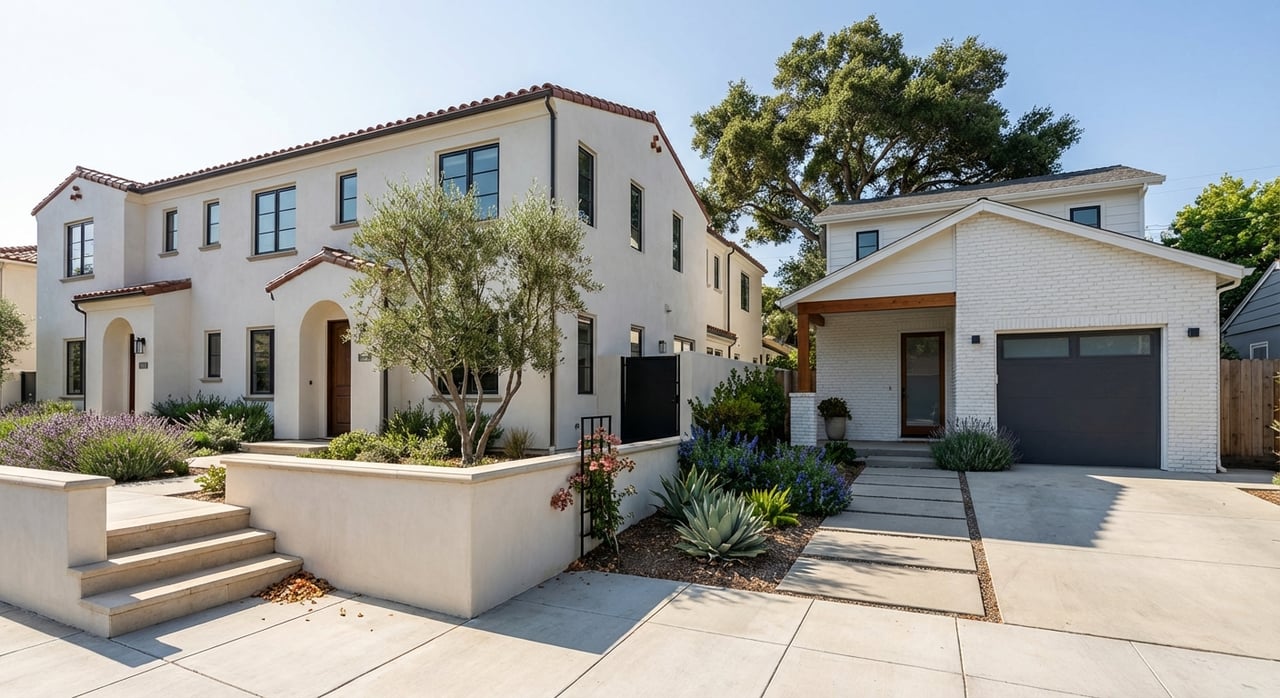
Townhomes often offer vertical living with 1,500 to 2,400 square feet in newer Dublin communities, plus private entrances and garages. Expect little or no private yard and shared walls. This setup works well if you value lower exterior chores and access to on‑site amenities.
Detached homes typically range from about 2,000 to 3,500+ square feet with a private lot. You gain more interior storage, yard space, and flexibility for exterior upgrades or an accessory dwelling unit, subject to local rules and permits.
If you buy a townhome in an HOA, you’ll usually carry an interior unit policy (often called HO‑6) while the HOA holds a master policy on common structures. If you buy a detached house, you’ll carry a full homeowners policy (HO‑3). Be sure to confirm master policy details, deductibles, and whether earthquake coverage is included or separate. For a clear overview of how HOA master insurance works, see this explanation of HOA master policies.
Property taxes are based on assessed value at purchase under California’s Prop 13 framework, plus voter‑approved assessments. Alameda County provides a helpful overview of how assessments work. Review the Alameda County Assessor’s basics on property assessment before you buy.
Ask the seller or HOA for the budget, income and expense statements, reserve study and percent funded, CC&Rs, bylaws, recent board minutes, master insurance declarations, any litigation disclosures, and notices of special assessments. California’s Davis‑Stirling Act requires annual budget and reserve disclosures that you should see during escrow. Learn more in this summary of Davis‑Stirling budget and reserve disclosure rules.
Healthy reserves signal that the HOA can cover big‑ticket items like roofs and exterior painting over time. Low reserves or an active litigation history can increase the risk of special assessments and hurt resale. For background on HOA budgeting practices, see this guide to planning an HOA budget and reserves.
Dublin supports accessory dwelling units with an ADU manual, prototype plans, and fee incentives through 2026. Size, placement, and permit details are outlined on the city’s ADU page. Start with the City of Dublin’s Accessory Dwelling Units resources to understand current rules and fee windows.
Two statewide laws affect ADUs:
If you plan to add or rent an ADU in a community with an HOA, remember that HOAs control use rules through CC&Rs while the city handles zoning and permits. Even if state law opens the door, HOA approval and lender requirements can still shape what is possible. For a practical overview of how state law, cities, and HOAs interact, see this summary of new California ADU rules and considerations.
In many markets, detached homes capture more land value over time. In Dublin and other Bay Area suburbs, the gap between townhomes and smaller detached homes can be narrower because land is scarce and demand is strong near transit and schools. Your best guide is recent local comps. Compare 3 to 4 similar sales in the same pocket to see how pricing, days on market, and features stack up.
Choosing between a townhome and a house in Dublin is easier when you see a few options back to back, read the HOA package with expert help, and compare hyper‑local comps. If you want a calm, organized process with clear guidance on maintenance costs, HOAs, and ADU potential, connect with Serean Kimmel. As a trusted East Bay advisor who serves Dublin buyers and sellers, she brings hands‑on support, bilingual service, and the reach of a national brand to help you move with confidence.
Get assistance in determining current property value, crafting a competitive offer, writing and negotiating a contract, and much more. Contact me today.
Learn More
Serean Kimmel | CA DRE# 01770629
3329 Castro Valley Blvd Castro Valley CA 94546