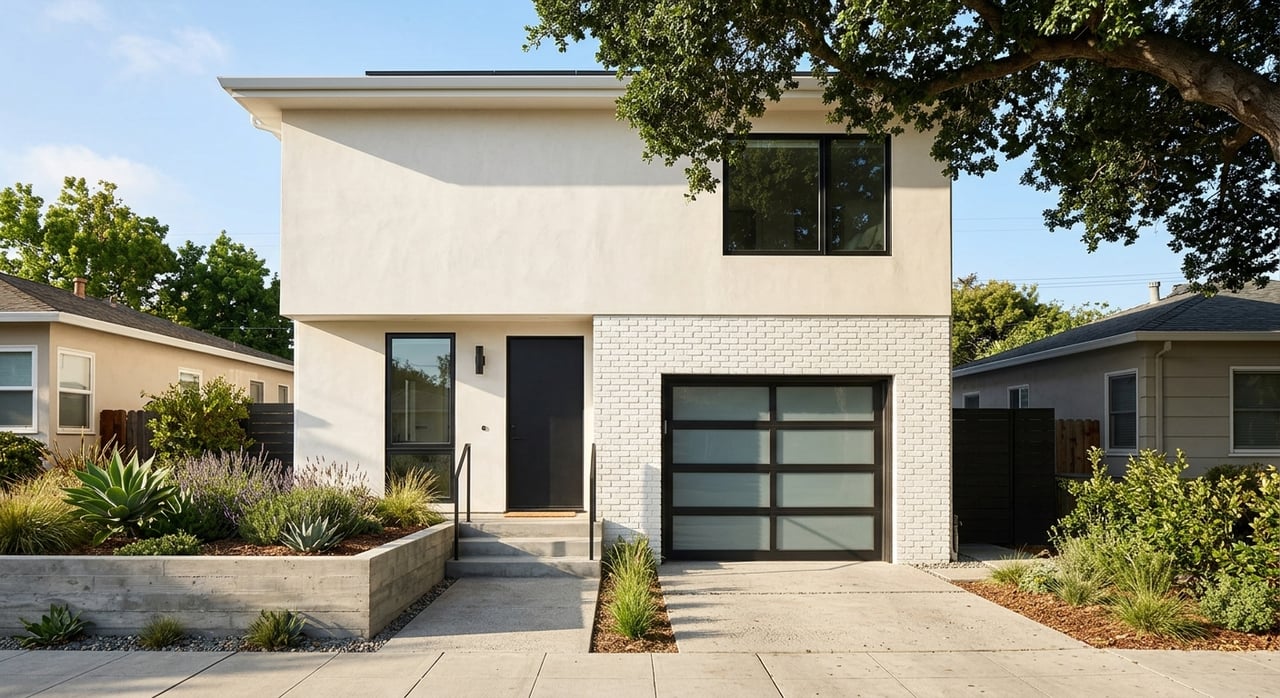
Small-Lot And Infill Opportunities In Castro Valley
If you have ever looked at a Castro Valley parcel and thought, Could this lot do more?, you are not alone. Small-lot and infill opportunities can be appealing in 94546, but they are rarely simple at first glance. The good news is that with the right public data and a parcel-specific review, you can spot where the real potential may be. Let’s dive in.
Castro Valley has stayed firmly on the radar for infill housing because it plays a meaningful role in Alameda County’s planning outlook. According to the county’s housing-element sites inventory, Castro Valley accounts for about 1,685 units, or 32.9 percent of possible future units in the unincorporated inventory.
That matters because Castro Valley is not an incorporated city. In 94546, zoning and land-use review are handled by Alameda County, not a city planning department, and the county directs zoning questions to its planning resources and Public Access Map through the Alameda County Planning Department.
One of the biggest mistakes buyers and investors make is assuming Castro Valley works like nearby city markets. It does not. Alameda County’s zoning code includes Castro Valley-specific sections within Title 17 of the county code, so your first step should always be to confirm the exact zoning and planning designation for the parcel you are reviewing.
The county also adopted the Castro Valley General Plan and later put residential design standards in place for West Alameda County communities. Those standards help guide how new residential construction and redevelopment are reviewed, including site planning and architectural expectations.
In practical terms, that means lot size alone does not tell the full story. Design standards, setbacks, access, and how a project fits the site can all affect what is actually feasible.
For many buyers looking at infill, the most relevant category is Residential Small Lot. The county’s General Plan describes this category as intended for lots between 2,500 and 5,000 square feet, with housing types that may include detached homes, duplexes, townhouses, and rowhouses, at roughly 8 to 17 units per net acre.
The same planning framework also points to detailed expectations around:
This is why two parcels with similar square footage can have very different outcomes. A lot that appears promising on paper may still be limited once these standards are applied.
If you are searching for denser infill opportunities, low-density multifamily and similar R-3-style parcels deserve close attention. The Castro Valley General Plan ties Residential Low Density Multifamily to existing R-3 zoning, with about 2,000 square feet per unit and densities of roughly 18 to 22 units per net acre.
The plan also identifies Residential Medium Density Multifamily at around 1,500 square feet per unit and 23 to 29 units per net acre. These categories are more relevant for buyers evaluating multifamily or compact infill than a traditional single-family lot.
That said, higher potential density does not automatically mean an easier project. You still need to confirm what the parcel can support after accounting for setbacks, lot geometry, access, and any applicable planning overlays.
Parcels near Castro Valley Boulevard and the BART station may offer a different opportunity set. County materials describe downtown-oriented residential categories, including areas where medium-density development may be applied closer to commercial areas and the station.
These properties may also fall under the Castro Valley General Plan and the county’s broader planning framework for specific plan areas, including the Castro Valley Central Business District Specific Plan referenced through the county’s general plan resources.
For you, that means downtown or corridor parcels can sometimes support more units, but they often come with more design and entitlement complexity. The best site is usually the one where achievable yield, timeline, and cost all line up.
Not every infill parcel in Castro Valley is flat or straightforward. County materials describe the Hillside Residential designation as the planning tool for steep-slope or high-fire-hazard areas, with typical lots ranging from 5,000 to 10,000 square feet and densities of 4 to 8 units per net acre depending on slope.
That is a key reminder for 94546 buyers: a larger hillside parcel is not always a better infill candidate. Grade, access, and fire-related constraints may matter just as much as lot area.
If you are reviewing a hillside site, it is smart to check hazard conditions early with the county’s Fire Hazard Severity Zones viewer. That step can help you understand whether a parcel may face added design or development constraints.
If you want to evaluate a Castro Valley lot with more confidence, use a structured review process. Alameda County’s public systems make that possible, but you need to connect the dots.
Begin with the county planning tools to confirm zoning, General Plan designation, and whether the parcel sits in a special planning area. Alameda County directs property and zoning inquiries through its planning contacts and mapping tools on the planning contact page.
Next, review parcel facts through the Assessor’s Parcel Viewer. The assessor provides parcel maps, assessed values, transfer history, and property characteristics, while noting that the viewer is dynamic and not a legal survey.
Then search the County Permit Portal by address. This can help you spot prior additions, remodels, grading activity, or other work that may affect redevelopment scope.
You can also confirm recorded ownership and document history through the county’s Clerk-Recorder online index. Recorded documents dating from 1969 to the present are searchable there.
Physical conditions can change a project quickly. In addition to hazard maps, you will want to pay attention to slope, access, and any visible limitations that may reduce the buildable area.
Finally, review the county’s planning archive for prior subdivision and review files. This can be one of the most useful steps because it shows how similar lots were analyzed and what approvals were required.
The strongest infill candidates are usually not the largest parcels. They are the parcels where zoning, lot shape, access, hazard conditions, and prior permit history all point in the same direction.
The county’s planning framework makes clear that buildable yield depends on more than raw square footage. Lot coverage, open space, landscaping, garage massing, and façade treatment can all affect the final project outcome under the Castro Valley General Plan.
That is why a parcel-by-parcel review matters so much in Castro Valley. County staff materials also show that lot patterns are not uniform, especially where hillside properties are involved.
Castro Valley does offer real small-lot and infill opportunities, and county records show this is not just theoretical. The planning archive includes active subdivision and review examples, including a 2-acre, 9-lot project, which shows that small-scale infill remains part of the local entitlement landscape.
What makes the process tricky is that the key information is spread across planning, assessor, permit, recorder, hazard, and archive systems. If you are buying a lot, selling one, or trying to understand whether a parcel may appeal to an end user or investor, having local guidance can save time and reduce false starts.
If you want help evaluating a Castro Valley lot, pricing a property with infill appeal, or identifying opportunities in 94546, connect with Serean Kimmel. You will get practical local insight, detail-oriented guidance, and support tailored to the way Castro Valley parcels actually trade and develop.
Get assistance in determining current property value, crafting a competitive offer, writing and negotiating a contract, and much more. Contact me today.
Learn More
Serean Kimmel | CA DRE# 01770629
3329 Castro Valley Blvd Castro Valley CA 94546