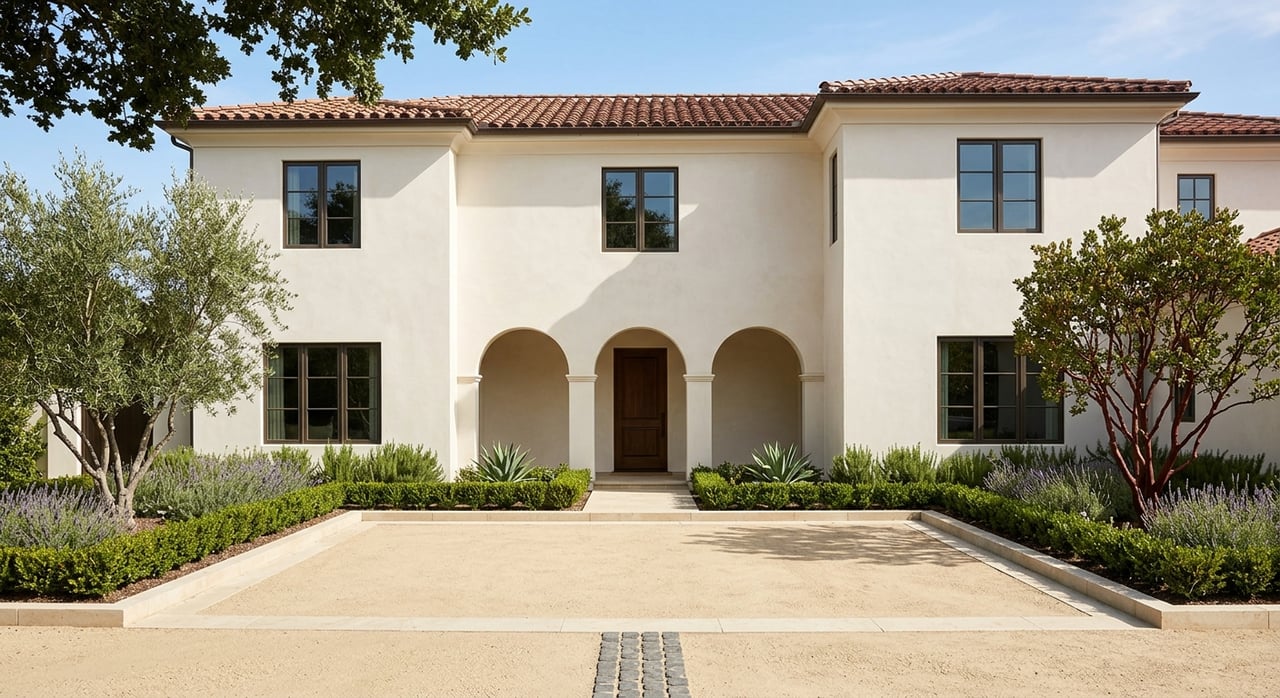
Preparing An Estate Home For Sale In Alamo
Selling an estate home in Alamo is rarely as simple as putting a sign in the yard and waiting for offers. When your property has larger living spaces, more complex systems, mature grounds, or years of accumulated belongings, preparation can have a direct impact on how buyers respond. The good news is that with the right plan, you can present your home with clarity, meet California disclosure requirements, and position it well in a premium local market. Let’s dive in.
Alamo is a high-value housing market where presentation and pricing both matter. According to U.S. Census QuickFacts for Alamo, the area has a very high owner-occupied housing rate, household income above $250,000, and owner-occupied home values above $2,000,000. That profile points to a buyer pool that often expects strong condition, privacy, and a polished online presentation.
Recent local market data supports that approach. In Bay East’s February 2026 Alamo detached housing report, detached single-family homes showed 22 active listings, about 3.3 months of inventory, a median sale price of $2.2 million, average days on market of 26, and an average sale-to-list ratio of 102%. In other words, buyers are active, but they are still comparing options carefully.
Estate homes usually benefit from a step-by-step preparation schedule rather than a rushed launch. Larger homes tend to involve more vendors, more decisions, and more visual details that can affect buyer perception.
A practical sequence often looks like this:
This order helps you avoid spending money out of sequence. It also makes it easier to show the home at its best once your marketing goes live.
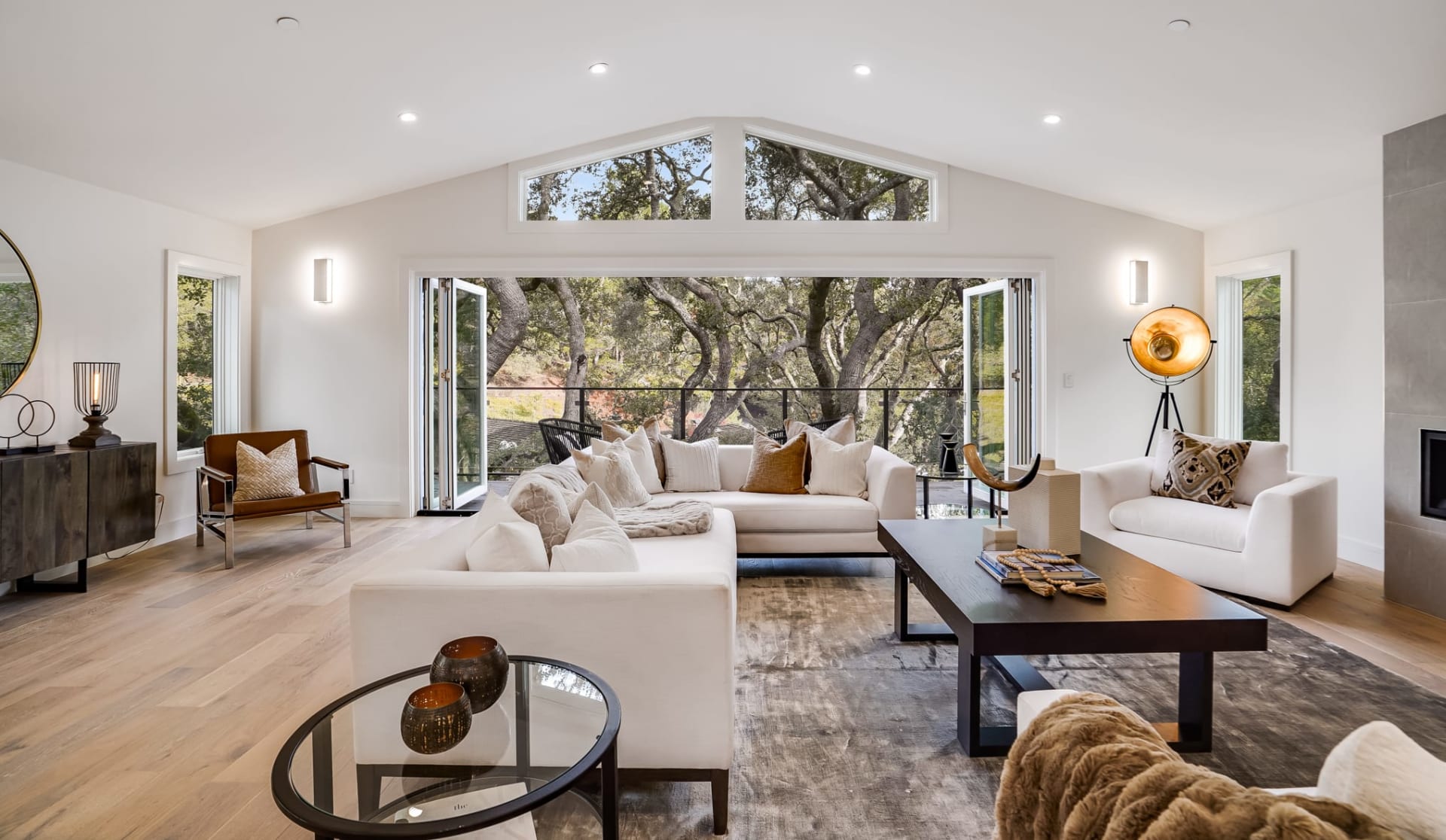
One of the biggest challenges in an estate property is scale. Large rooms can feel impressive in person, but online they can look confusing or underused if they are crowded with furniture or too personalized.
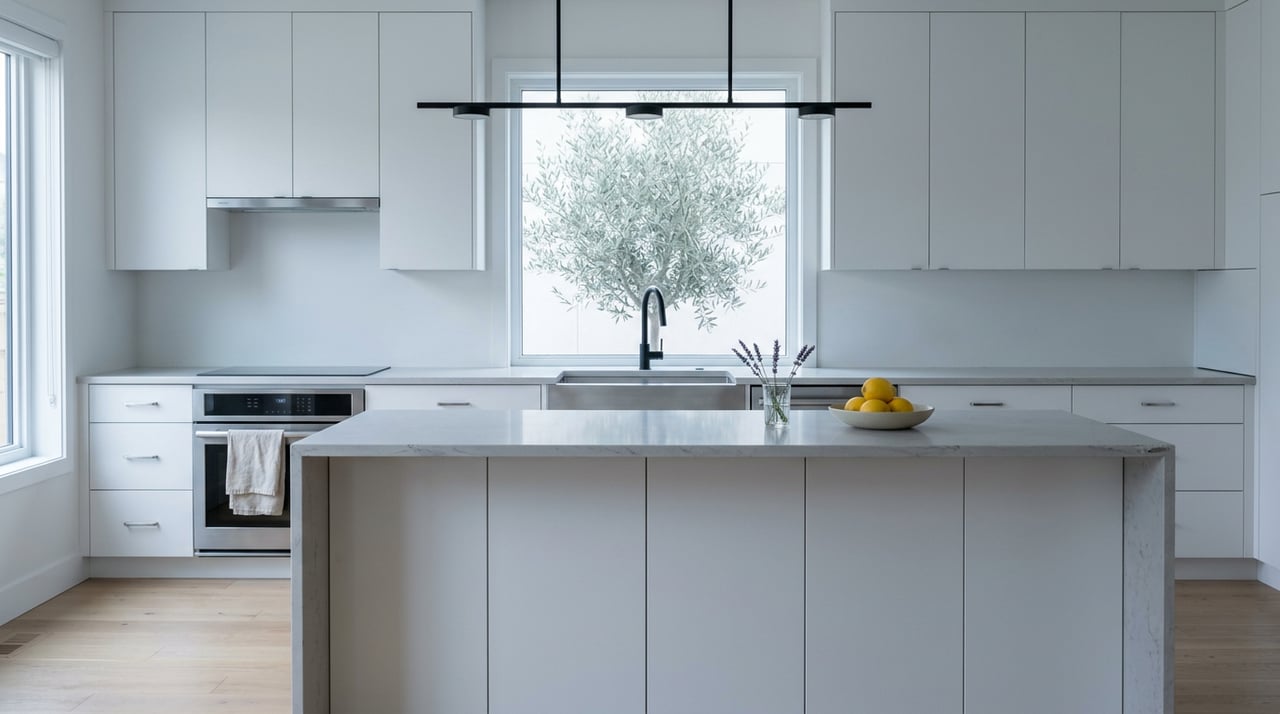
That is why decluttering is one of the first steps worth taking. Removing excess furnishings, oversized collections, and highly personal decor helps buyers understand room size, flow, and function. When buyers can picture how they might use the home, they are more likely to connect with it.
Staging does not always mean fully redesigning every room. It means helping buyers visualize how the home lives and where daily life happens.
The National Association of Realtors 2025 Profile of Home Staging found that 83% of buyers’ agents said staging made it easier for buyers to visualize the property as a future home. The same report found that the most important rooms to stage were the living room, primary bedroom, and kitchen.
For many Alamo estate homes, those spaces set the tone for the rest of the showing. If you are deciding where to invest first, start there. NAR also found that 17% of buyers’ agents said staging increased the dollar value offered by 1% to 5%, which can make preparation worth serious consideration.
If you want the strongest return on your prep budget, focus on spaces that shape the first and lasting impression:
These spaces tend to do the most work in photos, virtual tours, and in-person showings.
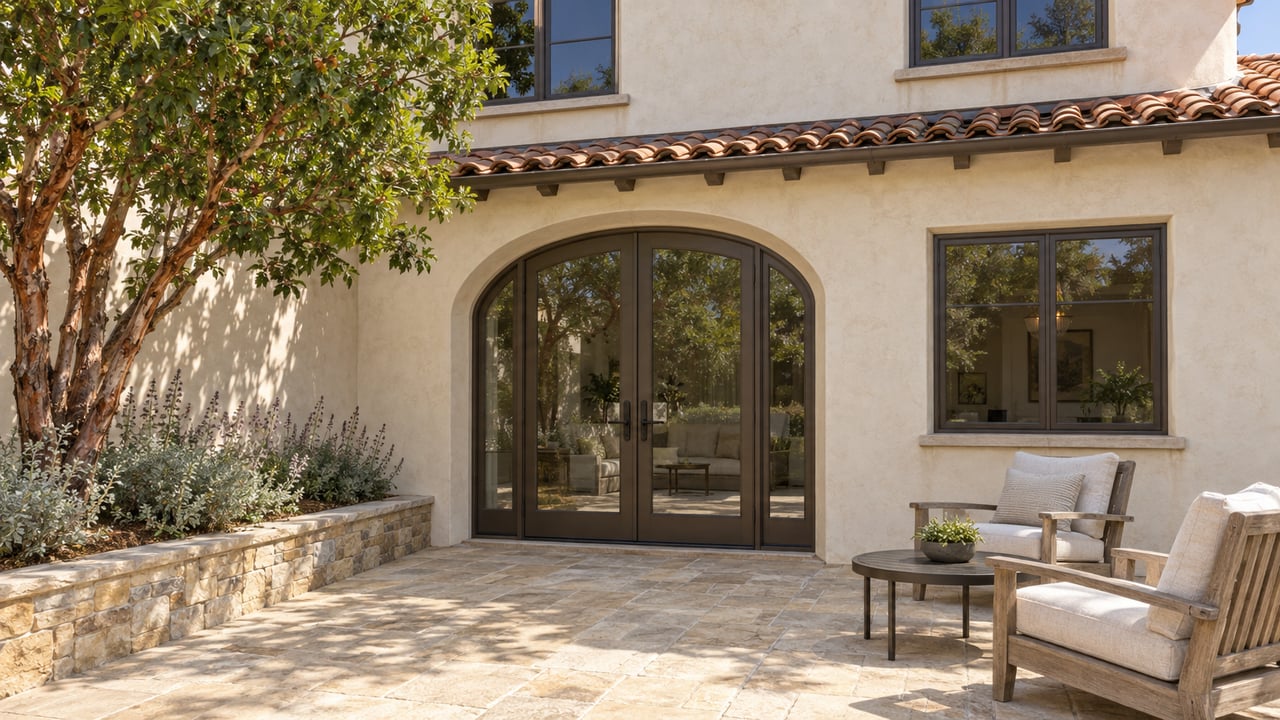
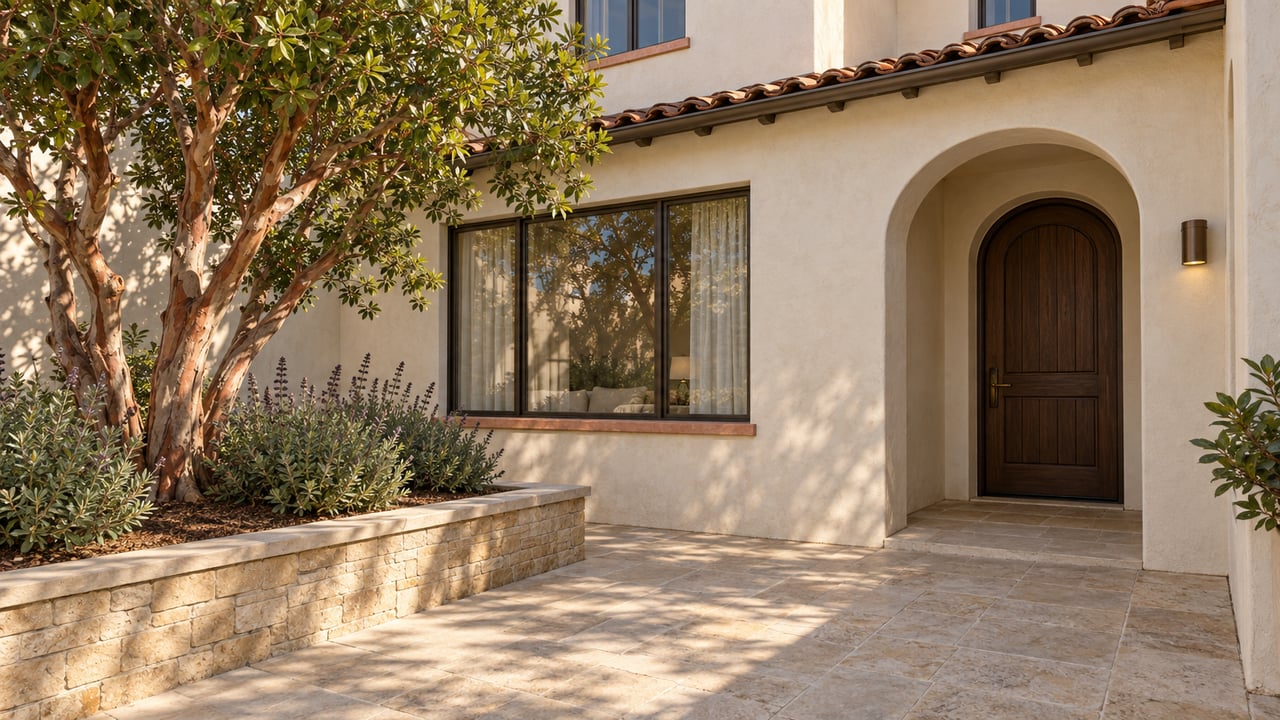
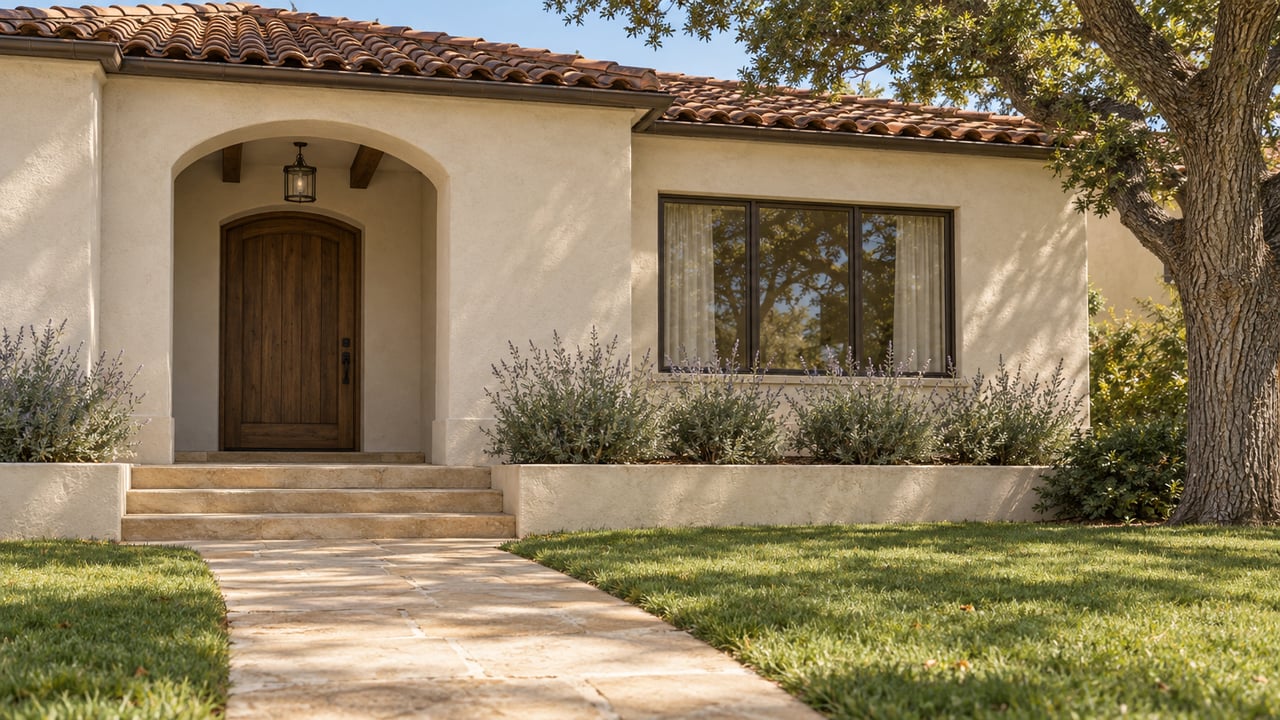
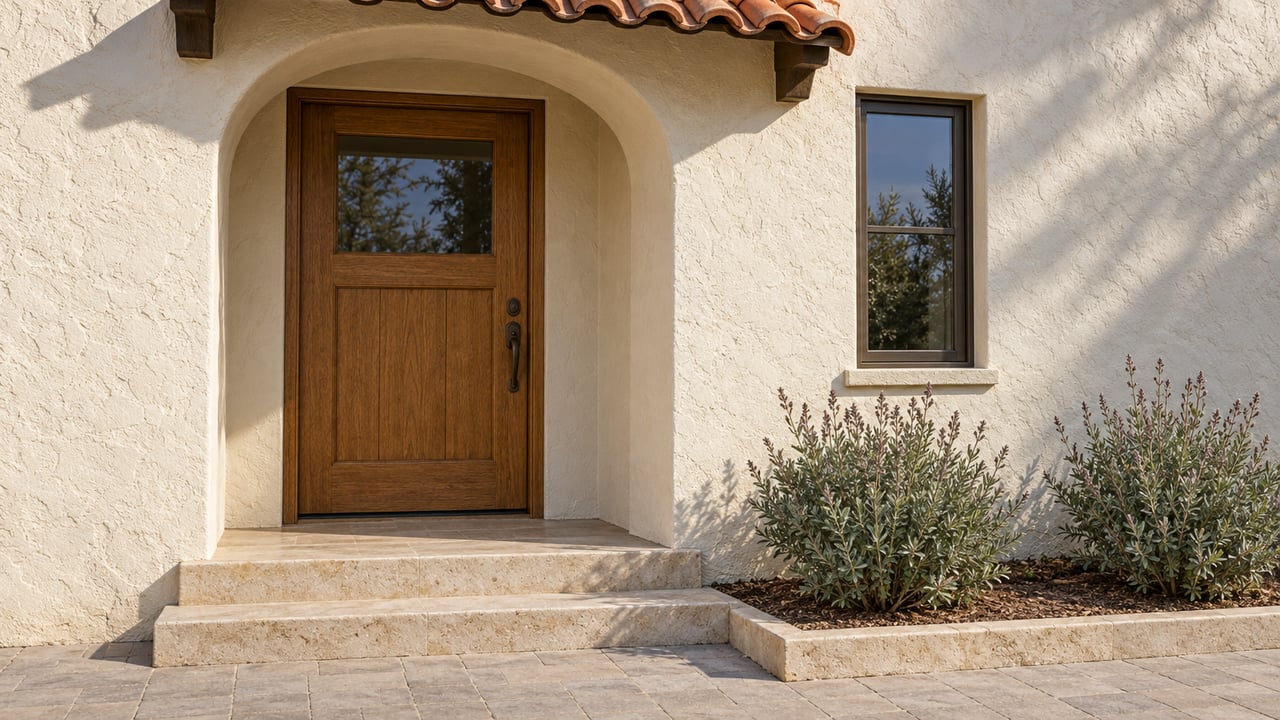
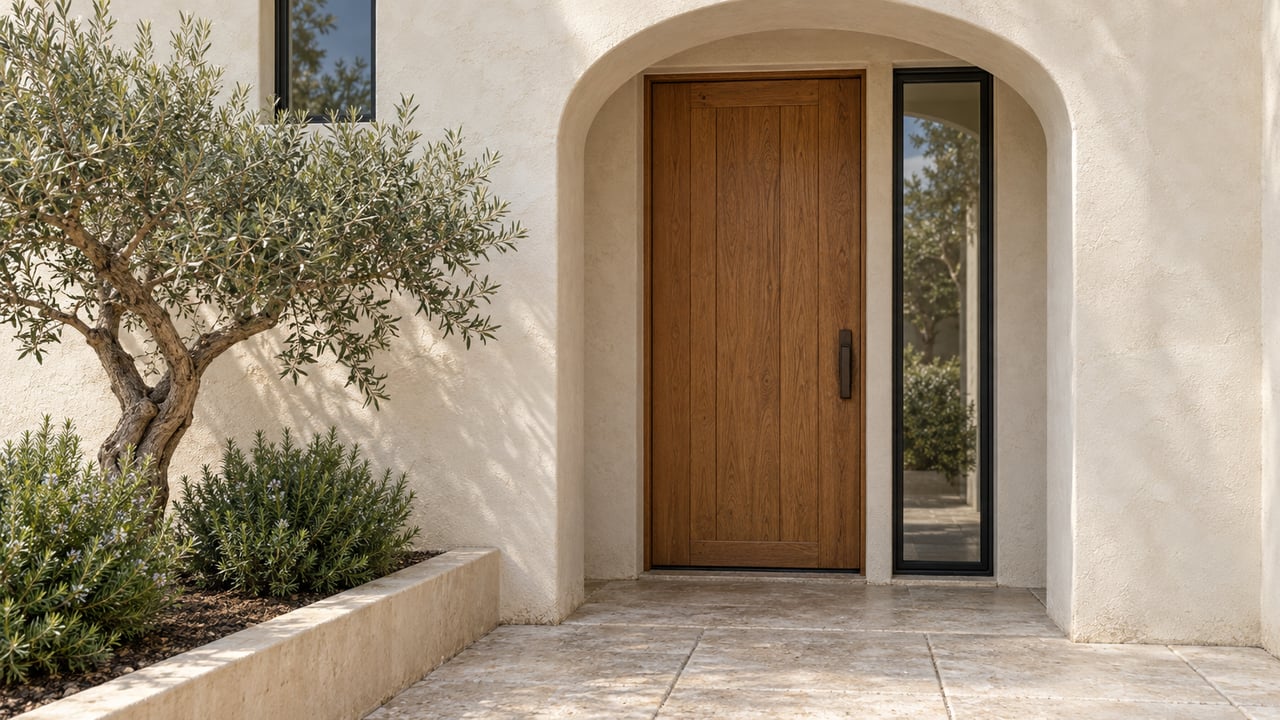
Buyers often form an opinion before they ever step inside. That is especially true in Alamo, where estate properties often include long driveways, landscaped front yards, patios, pool areas, and larger outdoor living spaces.
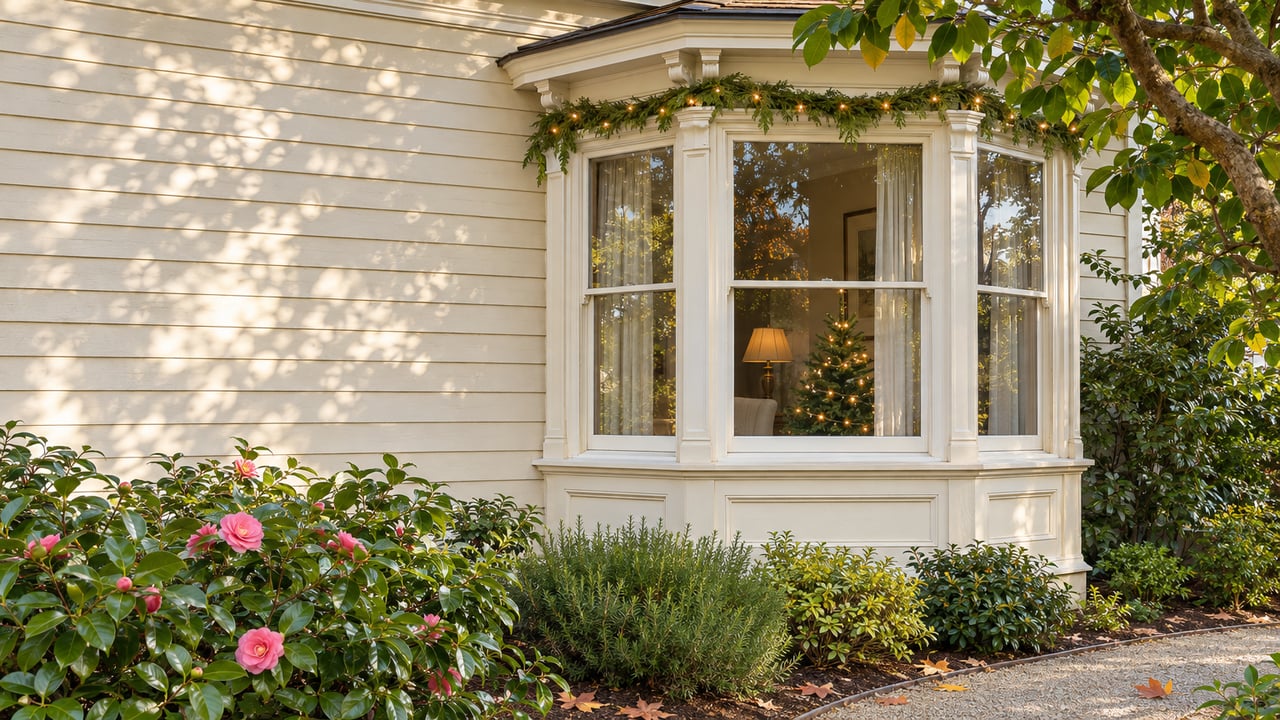
The same NAR staging report notes that photos, physical staging, videos, and virtual tours are highly important listing assets, and outdoor space can influence buyer impressions. Before photography, it is smart to clean up planting beds, trim overgrowth, pressure wash hard surfaces if needed, and check exterior lighting, pool areas, and entry presentation.
Pay close attention to:
A tidy exterior supports the value story before buyers even open the front door.
Luxury and estate buyers do notice visible deferred maintenance. Small defects can raise larger questions about the home’s overall care, especially in older or more complex properties.
Addressing obvious issues before listing can help reduce hesitation during showings. Items like chipped paint, damaged trim, broken fixtures, cracked glass, worn caulking, or non-functioning doors may seem minor, but they can distract from the home’s strengths.
If your home needs broader work, it helps to prioritize repairs that improve condition, safety, and buyer confidence. A coordinated plan can also reduce last-minute negotiations later.
For estate-home sellers, disclosure planning should start early, not after the home hits the market. California has specific disclosure requirements, and timing matters.
The California Department of Real Estate explains in its Transfer Disclosure Statement guide that the Real Estate Transfer Disclosure Statement, or TDS, describes the condition of the property, must be delivered as soon as practicable and before transfer of title, and is not a warranty. If a required disclosure is delivered after an offer is executed, the buyer may have 3 days after in-person delivery or 5 days after mail delivery to terminate.
That is one reason it helps to gather information and documentation upfront. Early organization can support smoother negotiations and fewer surprises once offers come in.
Based on the same California DRE disclosure guide, sellers may need to address:
The DRE also notes that a structural pest inspection is not automatically required by law, though a contract or lender may require one.
Because estate homes often involve more moving parts, vendor coordination matters. A thoughtful schedule can help you manage repairs, disclosures, cleaning, and staging without overlap or confusion.
A useful workflow is often:
This kind of sequence supports both presentation and disclosure readiness. It also gives you a clearer sense of what should be repaired, what should be disclosed, and what should simply be priced into the home’s market position.
Even in a premium market, pricing still needs discipline. The Bay East February 2026 report for Alamo detached homes suggests a market that is healthy and active, but not one where sellers can ignore comparable sales.
With about 3.3 months of inventory and homes selling at 102% of list price on average, the goal is not to guess high and hope. The stronger strategy is to price against the most recent and most comparable sales, while factoring in your home’s condition, lot, layout, updates, and presentation.
For estate homes, careful pricing matters even more because the buyer pool is often narrower. The right list price can attract qualified attention quickly, while an unsupported number may cause buyers to pause or wait.
In Alamo, buyers are likely to screen listings online before deciding whether to visit in person. That makes your digital presentation just as important as the home itself.
Alamo’s Census QuickFacts profile shows broadband adoption at 98.1%, which reinforces an online-first approach. In a market like this, professional photography, video, virtual tours, and a polished listing package should be treated as core marketing assets.
For estate properties, visual marketing should do more than document rooms. It should show scale, light, flow, outdoor living areas, and the overall lifestyle of the property in a factual, polished way.
Preparing an estate home for sale in Alamo is really about reducing friction. When you declutter thoughtfully, address visible condition issues, organize disclosures early, and launch with strong visuals and realistic pricing, you give buyers fewer reasons to hesitate.
That kind of preparation can also make your own experience less stressful. Instead of reacting to problems mid-listing, you can move forward with a clearer plan and a more confident market debut.
If you are getting ready to sell an estate home in the East Bay, Serean Kimmel can help you build a smart pre-listing strategy, coordinate preparation, and bring your home to market with the level of care it deserves.
Get assistance in determining current property value, crafting a competitive offer, writing and negotiating a contract, and much more. Contact me today.
Learn More
Serean Kimmel | CA DRE# 01770629
3329 Castro Valley Blvd Castro Valley CA 94546