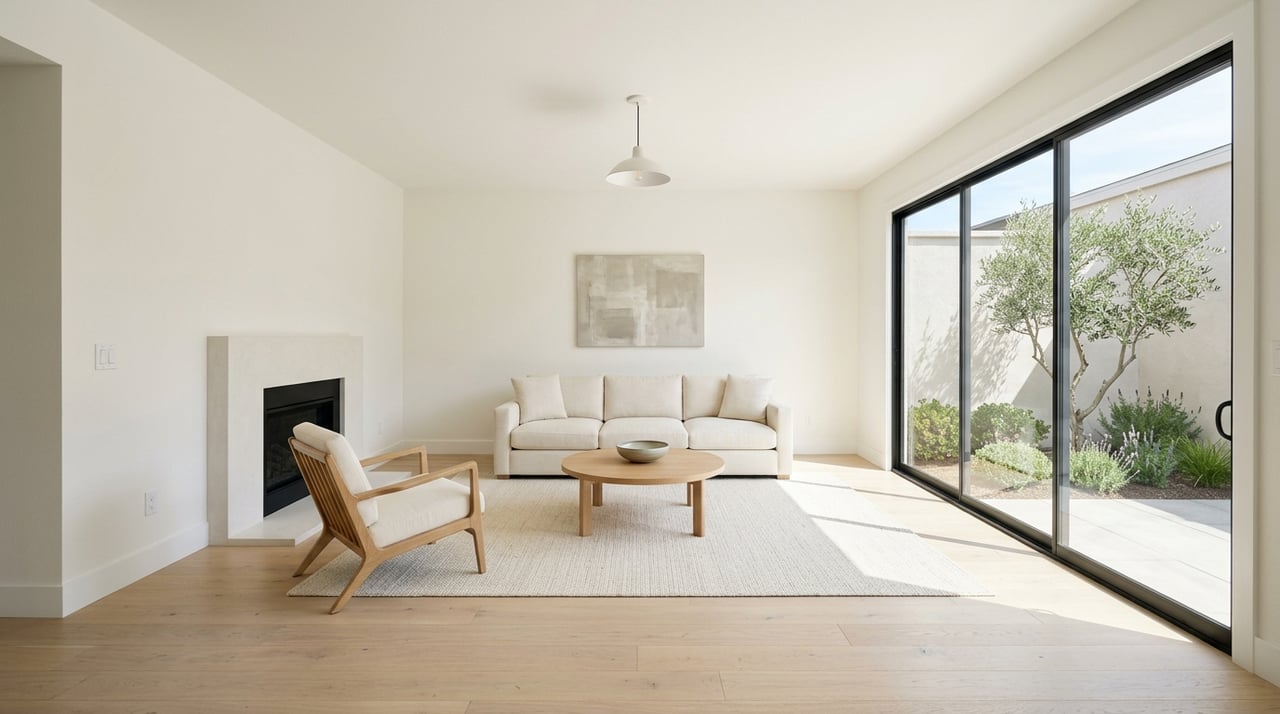
Preparing A Pleasanton Home For A Smooth Sale
If you want a smooth sale in Pleasanton, the work usually starts well before your home hits the market. In a competitive market, buyers move quickly, and small issues like clutter, missing paperwork, or unfinished repairs can create hesitation fast. The good news is that with the right preparation, you can reduce stress, present your home well, and avoid last-minute surprises. Let’s dive in.
Pleasanton remains a fast-moving, high-value market. Over the three months ending May 2026, the median sale price was about $1,494,106, homes received 3 offers on average, and homes sold in about 21 days. Realtor.com also described Pleasanton as a seller’s market in May 2026, with a median of 22 days on market and a 100% sale-to-list ratio.
That pace is great news for sellers, but it also means you may not have much time to fix presentation problems after launch. If your photos are weak, your disclosures are incomplete, or visible issues raise questions, buyers may simply move on. In Pleasanton, strong preparation helps you make the most of your first impression.
You do not need to fix everything before you sell. In most cases, the smartest approach is to focus on visible, functional, and safety-related issues that affect buyer confidence and disclosure accuracy.
California’s Real Estate Transfer Disclosure Statement covers the home’s condition, including structural components, plumbing, electrical, heating, and other mechanical systems. It also covers room additions, structural alterations, repairs, replacements, and other changes. That means your prep plan should focus first on the systems and updates buyers are most likely to notice and ask about.
Before spending money on major renovations, take a close look at the basics. Items like leaking fixtures, damaged outlets, sticking doors, cracked windows, broken appliances, or signs of deferred maintenance can raise concern during showings and inspections.
A clean, well-functioning home often does more for buyer confidence than an expensive remodel done at the last minute. If you are deciding where to invest, choose repairs that improve how the home looks, works, and feels from the start.
In Pleasanton, permit questions matter. The city states that all development within the city requires a permit, and property owners should check with the Building and Safety Division or Planning Division before they alter, fill, re-grade, or build on property or within an easement or right-of-way.
Some cosmetic finish work, such as painting, papering, and carpeting, is generally exempt from building permits. Still, many repairs and replacements are not, and even exempt work can trigger planning or zoning review. If you are considering pre-listing work, it is wise to verify requirements before the project begins.
A smooth sale is not just about appearance. It is also about being organized when buyers start asking questions.
For Pleasanton sellers, that often means collecting contractor invoices, permit records, warranties, and inspection reports for work that changed the home’s structure or systems. Having these documents ready early can help you respond quickly during due diligence and reduce the risk of avoidable delays.
Most 1-to-4 unit residential sales in California involve the Real Estate Transfer Disclosure Statement. California also requires a separate Natural Hazard Disclosure when a property is located in one or more designated hazard zones.
Those hazard categories include:
Putting these materials together before showings begin can make the transaction feel more controlled and professional. It also gives you time to review the details carefully instead of rushing after an offer arrives.
If your Pleasanton home was built before 1978, lead-based paint disclosures may affect your timeline. Federal law requires sellers to disclose known lead-based paint or lead-based paint hazards, provide available records and reports, include the Lead Warning Statement, and give the buyer a 10-day opportunity to inspect or assess unless the parties agree otherwise in writing.
For older homes, this is one more reason to prepare your disclosure package early. When documents are ready upfront, you are less likely to lose momentum once a buyer is in escrow.
Not every improvement delivers the same value. In many cases, the highest-return prep tasks are also the simplest.
According to the 2025 NAR staging report, the most common seller recommendations were decluttering the home, cleaning the entire home, and improving curb appeal. These are practical, visible changes that help buyers focus on the home itself instead of distractions.
Decluttering helps rooms feel larger, cleaner, and easier to understand. It also makes photography stronger, which matters because most buyers will see your home online before they ever visit in person.
Start by removing excess furniture, clearing counters, thinning bookshelves, and packing away highly personal items. If you are preparing for a move anyway, this step gives you a head start while making the home easier to show.
A deep clean can have a major impact on how your home feels. Floors, baseboards, windows, kitchens, bathrooms, and light fixtures all deserve special attention.
In a market like Pleasanton, buyers often compare homes quickly. A spotless home suggests care and makes it easier for buyers to picture a smooth purchase.
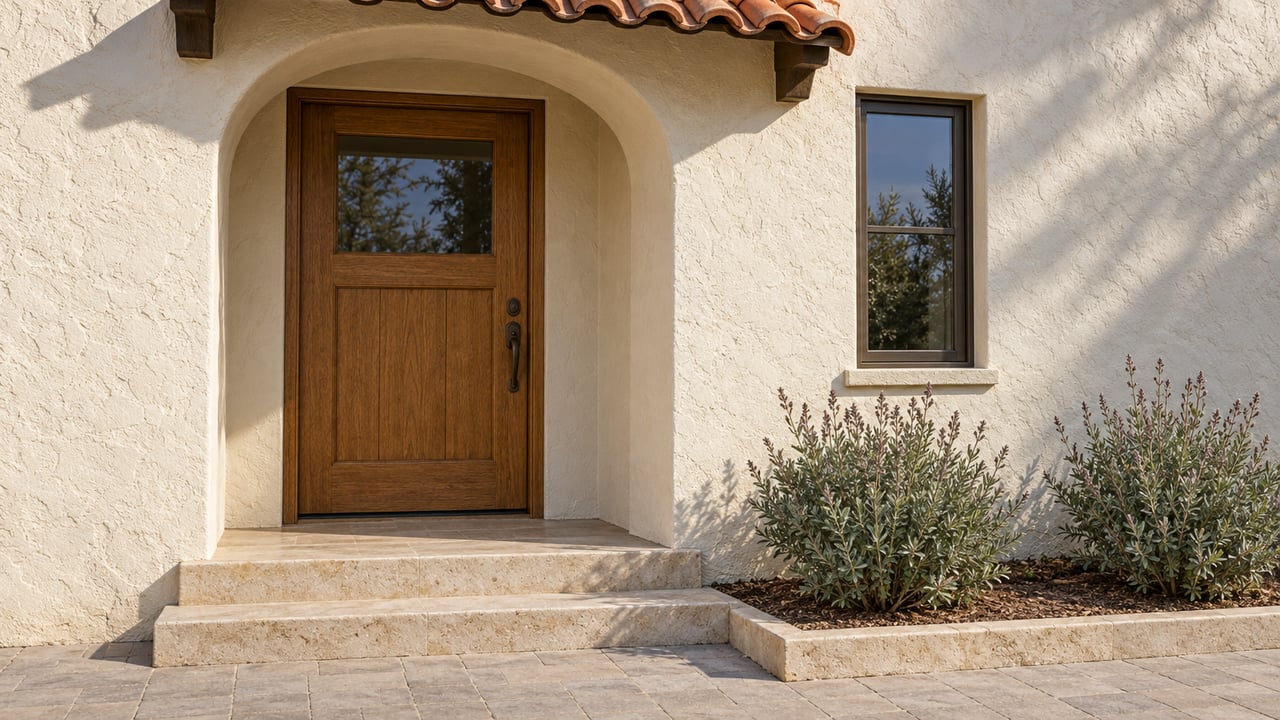
Your exterior sets expectations before buyers ever walk through the front door. Fresh mulch, trimmed landscaping, swept walkways, clean entry areas, and a tidy front yard can all help create a stronger first impression.
This does not have to mean a major landscaping project. Small, well-executed exterior improvements often do enough to make the home feel polished and ready.
Staging and photography are not separate from preparation. In today’s market, they are part of it.
The 2025 NAR staging report found that buyers’ agents said staging makes it easier for buyers to visualize the home as their future home. The most commonly staged rooms were the living room, primary bedroom, dining room, and kitchen.
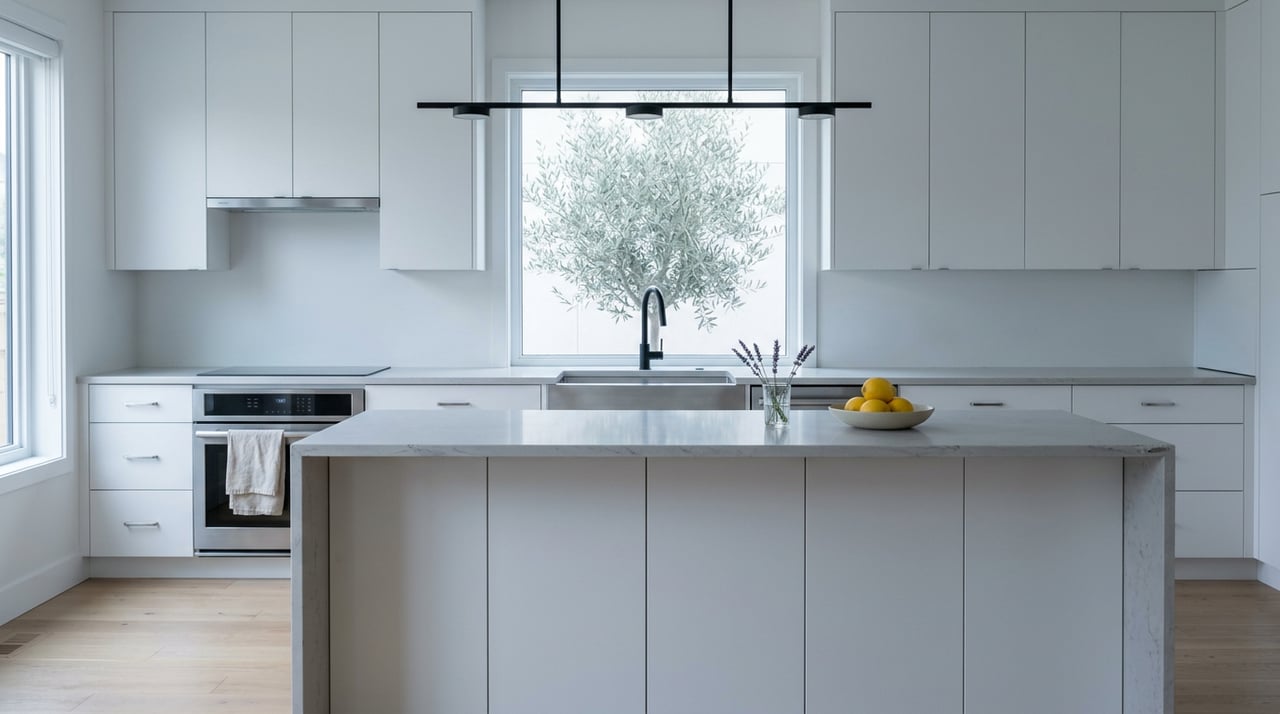
If you are deciding where to focus, begin with the main living areas. These rooms usually carry the most weight in photos and in-person tours.
Even light staging can improve flow, balance, and scale. The goal is not to make the home feel overly designed. It is to help buyers understand how the space lives.
The same NAR report found that buyers’ agents rated photos as especially important to clients, along with traditional physical staging, videos, and virtual tours. That matters in Pleasanton, where buyers may decide within days whether a home is worth pursuing.
Because of that, your home should be fully ready before the listing goes live. Touch-ups, cleaning, staging, and final styling should happen before photography, not after your listing is already active.
A clear timeline can make the entire process feel more manageable. In Pleasanton, a practical pre-listing schedule often looks like this:
Use this window for the items that take the most coordination.
This is the time to shift toward presentation.
This final stretch is about polish.
Yes, you can sell a Pleasanton home as-is. But selling as-is does not eliminate required disclosures, and it does not remove the buyer’s right to inspect.
That is why preparation still matters. Even if you choose not to make every repair, you can still create a smoother sale by understanding the home’s condition, organizing documents, and presenting the property clearly.
Preparing a Pleasanton home for sale is really about reducing friction. When repairs are thoughtful, documents are ready, and the home shows well from day one, buyers can focus on the opportunity instead of the unknowns.
If you want a sale that feels more organized and less reactive, early preparation is one of the best advantages you can give yourself. For hands-on help coordinating repairs, staging, vendor work, and a polished market launch, connect with Serean Kimmel.




Get assistance in determining current property value, crafting a competitive offer, writing and negotiating a contract, and much more. Contact me today.
Learn More

Serean Kimmel | CA DRE# 01770629
3329 Castro Valley Blvd Castro Valley CA 94546