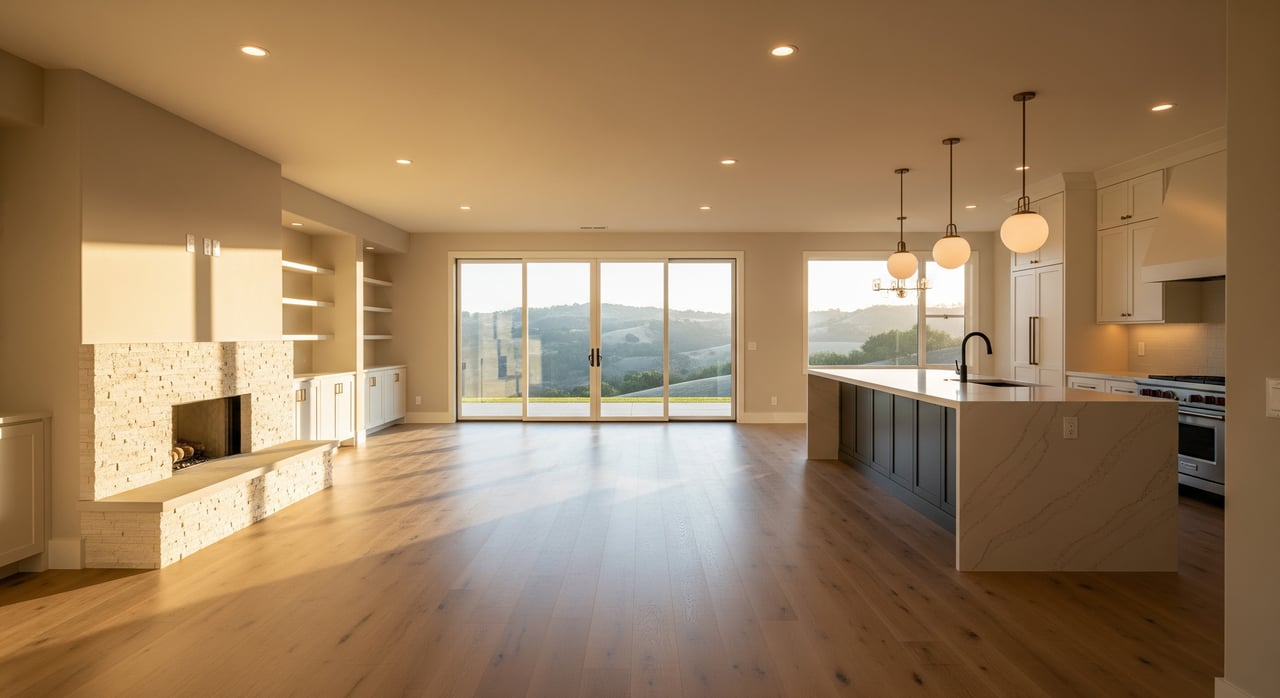
Pre-Listing Repairs vs 'As-Is' in Castro Valley
Should you tackle repairs before listing your Castro Valley home, or price it to sell as-is and move on? It is one of the biggest decisions you will make as a seller. You want a smooth sale, strong offers, and a clear timeline. The right prep plan can help you get there without overspending or losing time.
In this guide, you will learn how buyers in 94546 think, what “as-is” really means in California, which repairs tend to pay off, and a simple framework to decide your best path. You will also see how smart vendor coordination, staging, and marketing can lift your net proceeds. Let’s dive in.
Castro Valley sits in the East Bay’s Oakland–Hayward–Berkeley region, where demand shifts with inventory and mortgage rates. Owner-occupants using conventional or FHA/VA financing often expect safe, functional homes with reasonable updates. Investors and cash buyers will consider as-is properties if the price and scope make sense.
That mix matters. In a stronger seller’s market, you can sell as-is more easily because buyers compete for limited options. In a balanced or buyer’s market, shoppers expect fewer defects and more modern finishes. In those conditions, targeted repairs and presentation often reduce days on market and improve your net.
The big picture: match your strategy to current conditions and your home’s condition. A comparative market analysis can show the expected range for as-is versus move-in-ready pricing so you can estimate the payoff of specific improvements.
Selling as-is does not remove your legal obligations. You must still complete all required California seller disclosures, including the Transfer Disclosure Statement, and disclose known defects. If your home was built before 1978, federal lead-based paint disclosure rules apply.
Permits also matter. Work that affects structure, electrical, plumbing, or mechanical systems usually requires permits through Alameda County, since most of Castro Valley is unincorporated. Unpermitted work, if discovered, can slow escrow or require correction. Plan for permit timelines when comparing repair now versus credit later.
Financing sets practical limits on how far as-is can go. Lender appraisals for FHA, VA, and even conventional loans can require repairs tied to safety and habitability, such as significant roof leaks, nonfunctioning heat, electrical hazards, or active moisture issues. If problems are extensive, you may narrow your buyer pool to cash and certain investors.
Castro Valley sellers also provide natural hazard disclosures related to statewide risks like earthquakes and wildfire. These disclosures can shape buyer perception more than minor cosmetic issues, so be transparent and consistent.
Not all fixes carry the same weight. Organize your list into four tiers, then invest where impact is highest.
Examples: active roof or plumbing leaks, electrical hazards, missing or non-operational heat, mold and moisture problems, active pest or termite damage.
Why it matters: These items can stop a buyer’s loan or scare away otherwise interested buyers. Fixing them first protects your timeline and buyer pool.
Typical costs: small safety fixes often range from about $200 to $2,000. Bigger system repairs, roof or structural remediation can range from about $5,000 to $50,000 or more. Obtain local bids for accuracy.
Examples: old or failed water heater, failing HVAC, sewer line issues, or serious foundation cracks.
Why it matters: Replacing or certifying these systems removes financing obstacles and lets you market clear value, like “new water heater” or “HVAC replaced in 2024.”
Typical costs: water heater about $800 to $3,500; HVAC replacement about $4,000 to $15,000; sewer work varies widely and can start around $1,000 and run past $20,000 depending on scope.
Examples: interior or exterior paint, curb appeal landscaping, a kitchen refresh with painted cabinets and new hardware, bathroom touch-ups like grout and fixtures, carpet cleaning or minor flooring repair.
Why it matters: These updates shape first impressions, boost online engagement, and increase showing volume. They often recoup a high share of cost because they speed the sale and reduce buyer negotiation leverage.
Typical costs: interior paint about $2,000 to $8,000 depending on size; minor kitchen refresh about $3,000 to $15,000; bathroom refresh about $1,500 to $8,000.
Examples: full kitchen or bath remodels, additions, and high-end finishes.
Why it matters: These can lift sale price but often do not recoup full cost at resale. Choose selectively, usually only to compete in a higher price bracket or correct a major functional issue.
Typical costs: a full kitchen remodel can range from about $25,000 to well over $100,000 depending on scope.
The takeaway: prioritize safety and lender items first. Then focus on curb appeal and high-visibility cosmetic updates, which often deliver the best near-term ROI in Castro Valley. Keep major remodels to targeted, strategic cases.
Use this step-by-step process to decide between pre-listing repairs and as-is.
If you plan to sell to buyers using FHA or VA loans, be ready for minimum property standards tied to health and safety. Even conventional appraisers can call out issues that must be corrected before funding. Cash buyers and certain investors may be more flexible, but they often expect a discount that reflects the full scope of work plus risk and holding costs.
A pre-listing inspection can help you control the narrative. It reduces buyer uncertainty, supports pricing, and lets you decide whether to fix, credit, or disclose and move on.
Your prep plan is only as good as its execution. A single point of contact to manage vendors, schedules, permits, and invoices keeps work moving and avoids missed steps.
Both paths can work. If your home has material safety or habitability issues, fix them first to keep financing options open and avoid setbacks. In most markets, light cosmetic improvements and strong presentation deliver outsized results. In time-sensitive situations or when major repairs will not pencil, an as-is strategy with transparent disclosures and smart pricing can still produce a clean, timely sale.
If you want a single plan that reduces stress and lifts value, consider a managed approach that combines prioritized repairs, vendor coordination, staging, and polished marketing. Connect for a local pricing range and a prep plan tailored to your property and timeline.
Ready to map your best path in 94546? Get a clear plan and pricing guidance with Serean Kimmel. Get Your Free Home Valuation.


Get assistance in determining current property value, crafting a competitive offer, writing and negotiating a contract, and much more. Contact me today.
Learn More

Serean Kimmel | CA DRE# 01770629
3329 Castro Valley Blvd Castro Valley CA 94546