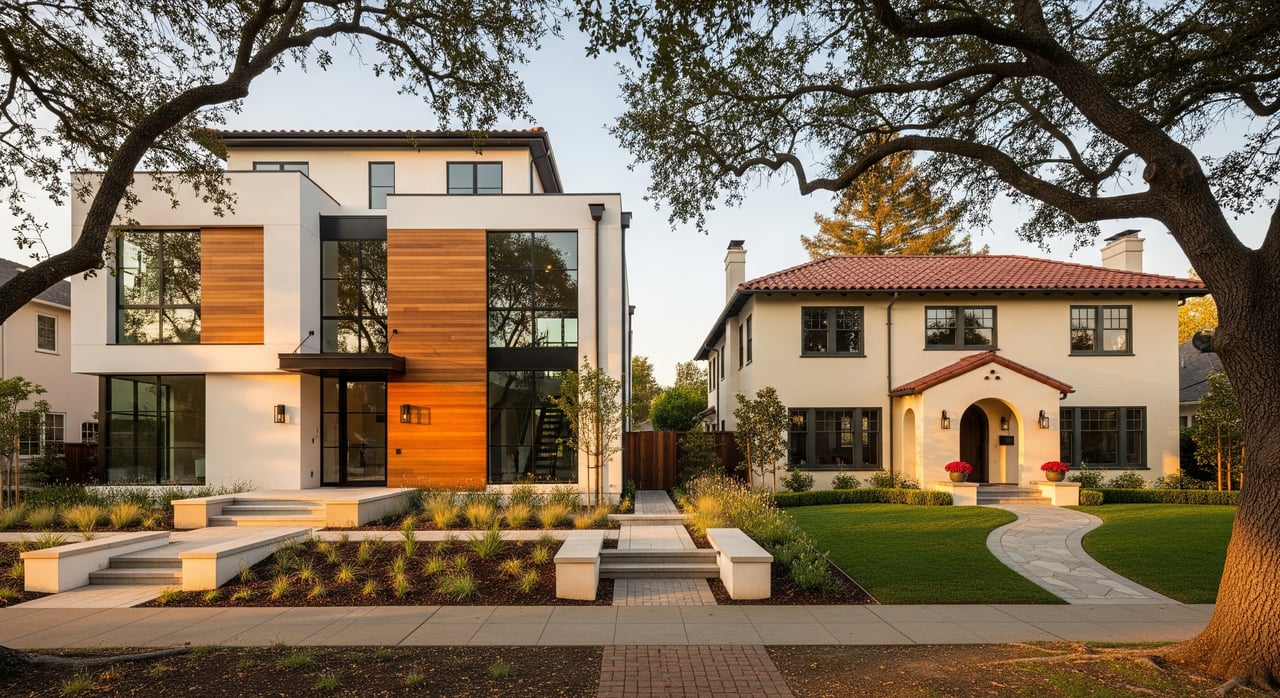
Pleasanton New Build vs Resale: Which Fits You?
Torn between a shiny new build and a charming resale in Pleasanton? You are not alone. With limited new inventory and high demand across the Tri-Valley, choosing the right path comes down to timing, cost, and how you plan to live in the home. In this guide, you will learn how to compare price per square foot, understand warranties and protections, factor in HOA and Mello-Roos, and weigh commute, schools, and long-term value. Let’s dive in.
Pleasanton is an established East Bay market with strong demand and limited land for large new communities. That means many buyers compare Pleasanton resales to new construction options in nearby Dublin, Livermore, and San Ramon. Access to I-680, I-580, and BART adds to demand and influences pricing by neighborhood.
New construction inside Pleasanton is limited, so you will often see a premium for move-in ready, modern layouts when a new option does appear. Resale homes can offer larger, mature lots and established neighborhoods, which many buyers value for long-term stability and resale liquidity.
New builds often include open layouts, modern kitchens and baths, high-efficiency HVAC, upgraded insulation, and EV readiness. California’s energy code (Title 24) drives higher efficiency, and many new single-family homes are designed with rooftop solar in mind. These features can lower utility costs compared to older homes.
There are two common paths. Inventory or spec homes can close in weeks or a few months. To-order or phased releases may take 6 to 24 months depending on permitting, lot releases, and supply chain timing.
You will typically select a lot, sign a purchase agreement that lists any lot premium and options, then make design selections if allowed. Expect builder milestones, progress updates, final inspections, and a punch list before closing.
California provides statutory protections for new homebuyers, commonly known as the New Home Buyer’s Warranty Act or SB 800. Industry practice often includes a 1-year workmanship warranty, a 2-year systems warranty for items like electrical, plumbing, and HVAC, and up to 10 years of structural defect coverage. Always ask for the builder’s written warranty and how claims are handled.
Builders set base prices and often negotiate through options, upgrades, lot premiums, and closing incentives. Some offer mortgage rate buydowns or closing credits, sometimes tied to a preferred lender. Confirm whether incentives require a specific lender and compare the true net savings.
Builder contracts can limit inspection rights or require specific windows for third-party inspections. Many will do a pre-closing walkthrough and punch list. Ask early what is allowed, including pre-drywall inspections, and have your agent review the contract so your contingency timelines and cancellation terms are clear.
Resales vary widely by age, layout, and maintenance history. That variation can create negotiation room for price, credits, or repairs when inspections uncover issues. Established neighborhoods often come with mature landscaping and larger lots.
California resale transactions include required seller disclosures, such as the Transfer Disclosure Statement and Natural Hazard disclosures, plus HOA documents if applicable. You should plan for a general home inspection, pest inspection, and specialty checks based on age and systems. Common extras include roof evaluation, sewer scope, chimney, and foundation assessments.
Resale appraisals rely on recent comparable sales in the neighborhood. Unique remodels may require more appraisal support if similar comps are limited. Financing and appraisal contingencies are common, though in very competitive moments buyers sometimes shorten or waive them with care and advice.
Newer communities and attached homes often include HOAs that maintain shared amenities. Dues vary widely depending on features like pools, parks, and landscaping. Review budgets, reserves, meeting minutes, and any planned special assessments as part of your due diligence.
Some new developments in California use Mello-Roos special taxes to fund infrastructure. These show up as additional line items on your property tax bill and can be significant. Older Pleasanton neighborhoods may not have Mello-Roos, so compare tax structures carefully.
When you buy in Alameda County, your assessed value typically resets to the purchase price, subject to local rates and assessments. Newer communities may include Mello-Roos or parcel taxes that older areas do not. Estimate your monthly costs using mortgage, property tax, HOA dues, and any special taxes.
New homes designed to current energy standards can reduce utility costs through efficient systems and, in many cases, solar integration. Factor these savings into your monthly budget when comparing a new build’s higher price to an older resale with higher operating costs.
Price per square foot helps you compare options but should not be the only metric. Here is a practical approach:
New construction often carries a per-square-foot premium because of modern layouts, warranties, and systems. The size of that premium varies by community and market conditions.
School district boundaries can influence buyer demand and future resale value. Verify current school assignments and any planned boundary changes directly with the district before you write an offer.
Proximity to I-680, I-580, and the Dublin/Pleasanton BART station can shape your daily routine. Newer tracts at the edges of the Tri-Valley may offer more space, but they can add time to your commute. Decide how often you plan to use BART or freeways when you compare neighborhoods.
Many Pleasanton resale homes sit on larger, mature lots with established landscaping. Newer builds may be on smaller lots with younger landscaping but offer more efficient layouts and newer systems. Choose based on how you plan to use your yard and outdoor space.
Use this quick list to clarify your best fit:
Ready to compare specific homes side by side, including true monthly costs and likely resale value? Reach out to Serean Kimmel for local guidance, contract insight, and a clear plan from first tour to close. Work with Serean Kimmel to make a confident move.

Get assistance in determining current property value, crafting a competitive offer, writing and negotiating a contract, and much more. Contact me today.
Learn More
Serean Kimmel | CA DRE# 01770629
3329 Castro Valley Blvd Castro Valley CA 94546