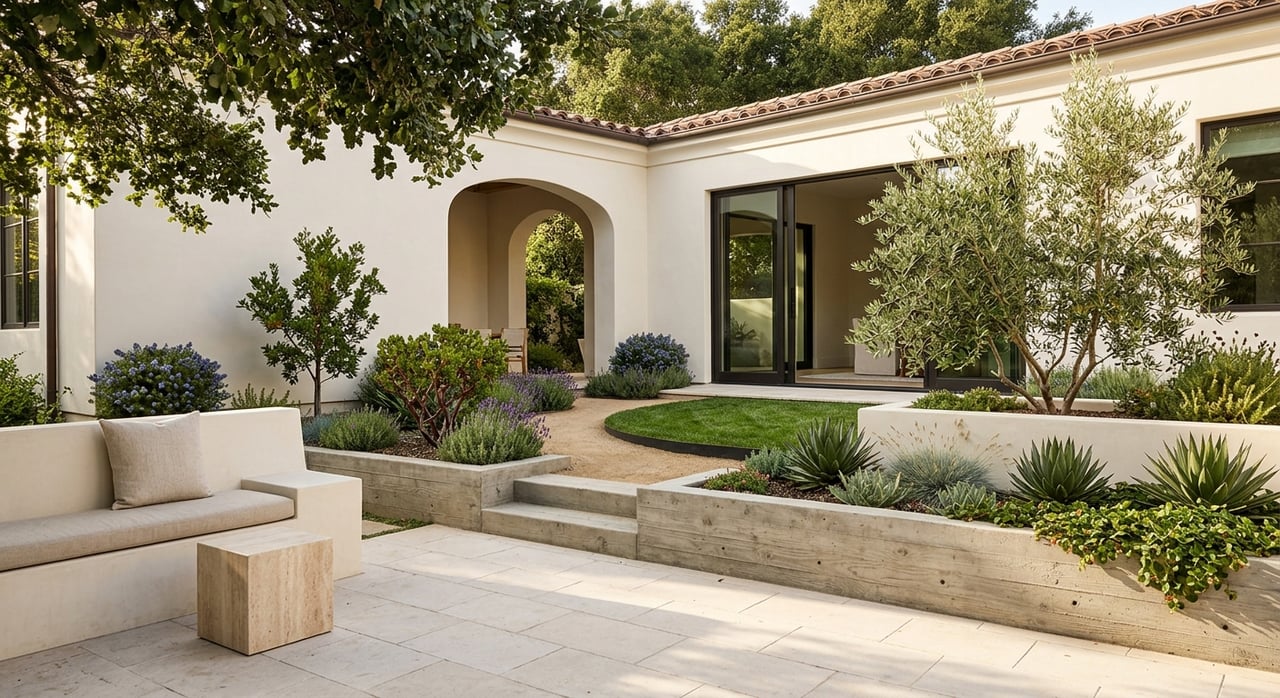
Outdoor Living In Pleasanton: Parks, Trails, And Open Space
If outdoor access is high on your list, Pleasanton stands out for a simple reason: recreation here is built into daily life. Whether you picture an evening walk, a weekend trail loop, or easy access to parks and open space, Pleasanton offers a wide range of options in one East Bay city. If you are thinking about buying or selling in Pleasanton, understanding that lifestyle can help you see what makes this market so appealing. Let’s dive in.
Pleasanton offers an unusually broad mix of outdoor amenities for a suburban East Bay city. According to the city, you will find 46 community and neighborhood parks, more than 60 miles of trails, and over 700 acres of undeveloped open space.
That scale matters because it shapes everyday living, not just weekend plans. The city also notes that many neighborhood parks are within half a mile of residential neighborhoods, which helps explain why outdoor time in Pleasanton often feels convenient and routine.
Pleasanton’s planning also supports connections between parks, schools, Downtown, transit, and neighborhoods. For you as a buyer, that can mean more options for walking, biking, or simply fitting outdoor time into a busy schedule. For you as a seller, it helps tell a fuller story about lifestyle and location.
One of Pleasanton’s strengths is variety. The city park system is not limited to one type of outdoor space, so you can find everything from neighborhood parks and sports facilities to interpretive spaces and trail-linked open land.
That variety broadens the appeal for different households and routines. Some residents may want quick park access close to home, while others may be looking for scenic walks, picnic spots, or active recreation options.
Alviso Adobe Community Park brings together local history, open views, and outdoor gathering space. The city describes it as a restored interpretive park that tells the story of the Amador Valley, from Native American beginnings through the Spanish Rancho era and later dairy history.
In practical terms, it is more than a historical site. You can also find picnic areas, outdoor programming, and views of Mt. Diablo and the Amador Valley, which gives the park a distinct character within Pleasanton’s larger system.
Pleasanton’s outdoor scene is not just about hiking. The city highlights larger sports-oriented parks, and Ken Mercer Sports Park includes sports fields, picnic facilities, a youth play area, and a 2.15-mile path around the park.
That matters if you are looking for flexible recreation. Not every household uses open space the same way, and Pleasanton’s mix of sports parks, play areas, and trails helps support a wider range of lifestyles.
The city also points to a BMX Park as part of its parks system. This is another example of how Pleasanton’s outdoor amenities go beyond a standard neighborhood playground model.
For buyers, that can make the city feel more adaptable to different interests. For sellers, it reinforces that Pleasanton offers more than one version of outdoor living.
Pleasanton’s trail network is one of the biggest reasons the city feels connected to nature. Some trails serve as scenic routes through preserved land, while others fit more naturally into short walks, bike rides, or everyday outings.
This distinction is useful because not every trail experience is the same. In Pleasanton, you can find loop trails, linear paths, multi-use corridors, and trails with specific access rules.
The Callippe Preserve Trail shows how open space and recreation work together in Pleasanton. The city describes it as a 3.75-mile loop around the Callippe Preserve Municipal Golf Course, surrounded by 280 acres of permanent open space.
The trail is open to pedestrians and equestrians, and it offers views across the golf course and toward the Tri-Valley. If you want a trail experience that feels scenic and preserved, this is a strong example of Pleasanton’s outdoor character.
For a more flexible everyday trail, the Marilyn Murphy Kane Trail stands out. The city brochure says this 1.4-mile trail sits within the 318-acre Bernal property and follows the Arroyo de la Laguna and Bernal Canal.
It is open to pedestrians, bicyclists, and equestrians, which makes it more versatile than some other trails. The route also provides views toward the Ohlone Wilderness, Mt. Diablo, and Pleasanton Ridge.
The Preserve and Moller Ranch Trails reflect another side of Pleasanton’s trail system. According to the city brochure, these trails are located within the 38-acre Gold Creek Open Space and include connections through private lands and easements.
That setup shows how Pleasanton’s outdoor access extends through both public spaces and connected development patterns. The city also notes a staging area and added parking at Laurel Creek Park, which can make access easier depending on where you start.
Some of Pleasanton’s most appealing outdoor spaces feel close to residential areas rather than far removed from them. That can change how often you actually use them.
Instead of treating open space like an occasional destination, many residents can work it into normal routines. That everyday convenience is part of what makes Pleasanton’s outdoor lifestyle feel so established.
Augustin Bernal Community Park is one of the clearest examples. The city identifies it as a 237-acre park on Pleasanton Ridge with hiking, biking, and equestrian trails, along with views over the ridge.
There is an important practical note here: access rules vary by site. The city says Pleasanton residents can enter Augustin Bernal at no charge with proof of residency, while non-residents need a weekly pass. If you are evaluating outdoor access in Pleasanton, details like that are worth knowing.
Pleasanton’s city-owned parks and trails are only part of the story. The larger regional network nearby adds ridge landscapes, lake recreation, and long-distance trail connections that expand what outdoor living can look like.
This is one reason Pleasanton can feel more outdoor-oriented than a quick map search might suggest. You have the daily-use city network, plus access to major regional destinations close by.
Pleasanton Ridge Regional Park is the major large-scale open space destination next to the city. East Bay Regional Park District says the park spans 9,090 acres of oak-covered ridge land overlooking Pleasanton and the Livermore Valley.
The park includes multi-use dirt trails for hiking, biking, and horseback riding. The district also says the Tyler Ranch staging area added 2,844 acres and about 18 miles of trails, which expanded access even further.
If you want water-based recreation close to town, Shadow Cliffs is a key part of the picture. East Bay Regional Park District says it is just a mile from downtown Pleasanton and includes 266 acres with an 80-acre lake.
You can find swimming, fishing, boating, picnicking, and hiking there. The district also notes wheelchair-accessible parking, trails, restrooms, and a fishing pier, along with daily WHEELS Route 10 service from the Dublin/Pleasanton BART station and downtown Livermore.
The Iron Horse Regional Trail adds a different kind of value because it supports both recreation and connectivity. East Bay Regional Park District says the trail runs 32 miles between Concord and Pleasanton.
The district also notes that Pleasanton’s segment connects residential areas, business parks, schools, public transportation, open space, and parks. If you value routes that can support exercise, errands, or a car-light routine, this trail helps strengthen that network.
Just beyond Pleasanton, the regional system opens up into larger backcountry settings. East Bay Regional Park District describes Sunol Wilderness Regional Preserve as a 6,859-acre wilderness area near Pleasanton with camping, hiking, and backpacking.
Del Valle Regional Park adds a different experience with 4,395 acres, a five-mile lake, and space for water recreation, hiking, and horseback riding. Del Valle also serves as the eastern gateway to the 28-mile Ohlone Wilderness Trail.
If you are buying in Pleasanton, outdoor access is not one single feature. It is a layered system that includes neighborhood parks, sports facilities, city trails, ridge hikes, and regional destinations. That gives you more ways to match a home search to your everyday habits and preferred pace of life.
If you are selling, this lifestyle story can add helpful context around your location. A home’s value is not only about square footage or finishes. It is also about how it connects to the routines buyers care about, including walks, trail access, recreation variety, and proximity to open space.
The key is specificity. Pleasanton has a strong outdoor identity, but access rules and trail uses can vary by site, so it helps to understand the details instead of relying on broad assumptions.
When you are evaluating Pleasanton real estate, lifestyle factors like parks, trails, and open space often become part of the bigger decision. If you want local guidance on buying or selling in Pleasanton and across the East Bay, Serean Kimmel can help you navigate the market with a practical, hands-on approach.

Get assistance in determining current property value, crafting a competitive offer, writing and negotiating a contract, and much more. Contact me today.
Learn More
Serean Kimmel | CA DRE# 01770629
3329 Castro Valley Blvd Castro Valley CA 94546