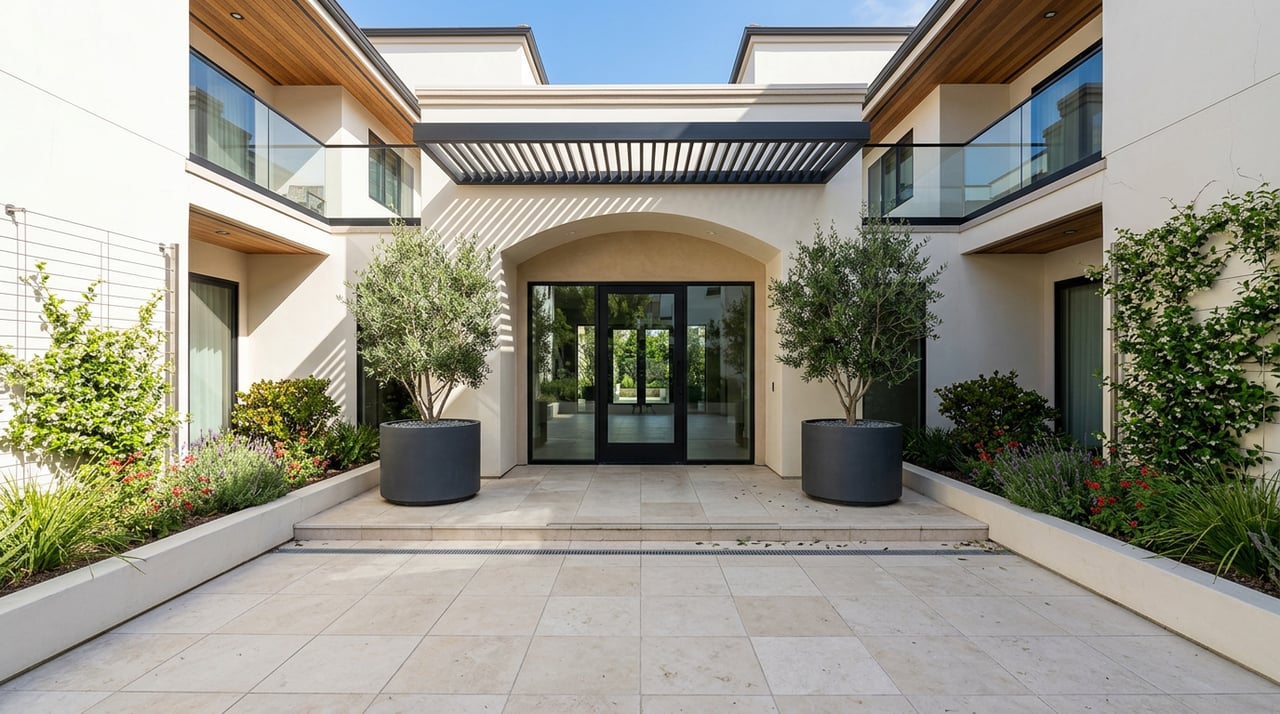
Is Condo Living In Walnut Creek Right For You?
Dreaming of a walkable East Bay lifestyle without yard work or weekend projects? If you are weighing a condo in Walnut Creek, you are not alone. Many buyers look here for convenience, downtown energy, and easier maintenance at a lower price point than single-family homes. In this guide, you will learn what condo life really costs, the legal and financial checks that matter in California, and a simple checklist to help you make a confident choice. Let’s dive in.
Condo living shifts exterior upkeep to the association, so you spend less time on repairs and yard work. Many Walnut Creek communities include landscaping, exterior maintenance, common-area utilities, pools or fitness rooms, and security within HOA dues. Fees vary widely, from a few hundred dollars per month in smaller complexes to nearly two thousand in amenity-rich or age-restricted communities. What is included always varies by HOA, so review the resale package to confirm services and costs.
If you value being close to dining, retail, and cultural events, downtown Walnut Creek delivers. Broadway Plaza, Civic Park, and the Lesher arts scene create a lively core with restaurants and shopping clustered within a few blocks. Central areas score well for walkability, while suburban pockets are more car dependent. You can check neighborhood walkability with Walk Score’s Walnut Creek overview as you compare locations.
Walnut Creek’s BART station links directly to Oakland and San Francisco. Typical BART trips into central San Francisco are often in the mid 30 minute range, depending on destination and service pattern. Real times vary with station proximity, parking, and the schedule, so plan your commute with tools like Rome2Rio’s example route. If you want Bay Area access without city living, this can be a strong middle ground.
You can pair low-maintenance living with big open-space escapes. Walnut Creek residents enjoy trail networks in Shell Ridge and Lime Ridge, plus fast access to Mount Diablo. The city’s Open Space pages outline local preserves and trailheads, which often influence prices for condos near trail access.
Condo prices vary by age, size, and location. Recent listings and sales show older interior or Rossmoor units in the low $200,000s to $500,000 range. Mainstream two-bedroom or townhome-style condos commonly close in the $500,000 to $900,000 band. Newer or downtown high-rise units can reach $900,000 to $1.5 million or more. City-level snapshots place the median condo listing near about $550,000, according to Redfin’s Walnut Creek condo page. Figures move with the market, so refresh data before you write an offer.
Many buyers choose condos as the more affordable path into Walnut Creek. The city’s overall median sale price for all homes typically sits well above condo medians. That affordability gap explains why first-time buyers and downsizers often prioritize condos when aiming for a central Walnut Creek lifestyle.
HOA dues affect your monthly budget and long-term costs. The resale package will show what your dues include, plus the association’s budget and reserve funding. California’s Davis-Stirling rules list required transfer disclosures like governing documents, recent budgets, and reserve statements in Civil Code section 4525. A well-funded reserve and a recent reserve study lower the chance of near-term special assessments. Signs of risk include deferred maintenance, frequent assessments, or thin operating balances.
Do not wait to see the HOA packet. Under Civil Code section 4530, the association must deliver resale documents within 10 days of a written request. Since your contingency clocks can be tight, order early and build time into your contract to review CC&Rs, budgets, the latest reserve study, meeting minutes for the past year, and insurance declarations. Quick delivery helps you avoid last-minute surprises.
California requires associations with qualifying exterior elevated elements, such as balconies or elevated walkways, to complete periodic inspections by a licensed professional. The rules in Civil Code section 5551 are often called SB 326. The inspection reports are association records and can flag safety repairs that may lead to special assessments or construction timelines. Ask for the most recent report and confirm how the HOA has funded any required work.
Two issues can shape both your financing and future resale:
Pending litigation, rental caps, or restrictive use rules can limit buyer demand. The resale package and recent meeting minutes typically show these items, and they are part of the transfer documents required by the Davis-Stirling statute. If the language is complex, have your agent walk through the highlights and, if needed, consult counsel. Clear rules and well-run associations tend to support liquidity and smoother sales.
Your carrying costs are more than just principal and interest. In Contra Costa County, base property taxes are about 1 percent of assessed value under Proposition 13, plus voter-approved bonds and assessments that can push the effective rate higher. For background, see the Legislative Analyst’s Office primer on California property taxes. Then add HOA dues, an HO-6 insurance policy, and utilities.
Here is a simple framework you can use for any condo:
Use this step-by-step list to keep your purchase on track.
Downtown units near Civic Park, Broadway Plaza, and BART often command a premium for walkability, dining, and cultural access. You trade for smaller footprints, structured parking, and a more urban feel. Neighborhood condos and townhome-style communities usually offer quieter settings, more space, and parking, often at a lower price point, with less walkability. Your best fit comes down to how you plan to use everyday amenities and how you commute.
A condo in Walnut Creek can be a smart choice if you want location, convenience, and access to transit and trails at a price that may be lower than a single-family home. To make the right call, focus on the HOA’s financial health, building safety reports, and project-level lending eligibility since these factors affect both your monthly costs and future resale. If you like the balance of downtown ease, transit access, and outdoor options, you may find a condo checks the most boxes.
If you want local guidance through the details, reach out to Serean Kimmel for clear next steps and hands-on buyer support. Serean serves Walnut Creek and the greater East Bay with proactive planning, strong negotiation, and bilingual service in English and Mandarin.

Get assistance in determining current property value, crafting a competitive offer, writing and negotiating a contract, and much more. Contact me today.
Learn More
Serean Kimmel | CA DRE# 01770629
3329 Castro Valley Blvd Castro Valley CA 94546