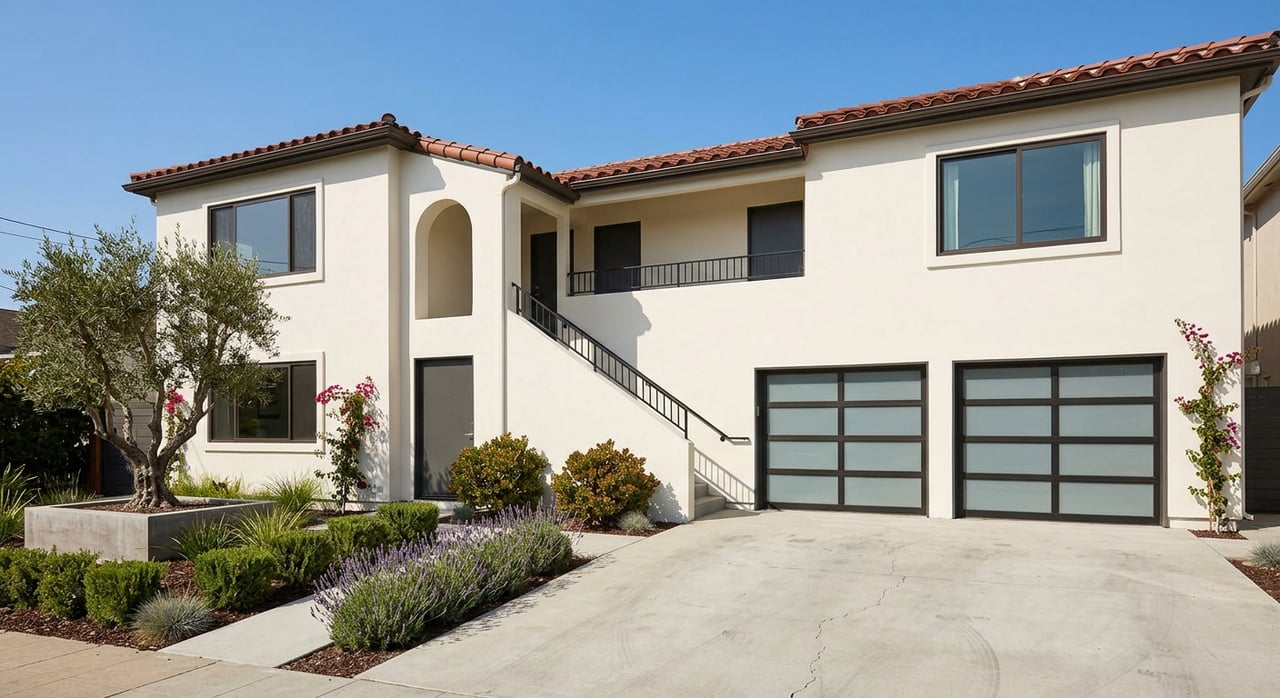
Hayward Small Multifamily Basics For Local Investors
If you are looking at a duplex, triplex, or fourplex in Hayward, it is easy to assume the numbers work the same way they do for a single-family home. They do not. Small multifamily investing in 94542 can offer strong opportunity, but the deal only makes sense when you read comps, rent rules, zoning, and property condition through a local lens. Let’s dive in.
Hayward is an active housing market. As of March 2026, Redfin reported a median sale price of $861,500 for the broader housing market, about 15 days on market, and roughly 3 offers on average.
That said, small multifamily should not be measured against single-family market averages. Redfin’s separate multifamily data showed 25 active multifamily listings with a median listing price around $1.09 million, which points to a different pricing framework for income properties.
For local investors, that difference matters. A duplex or fourplex is not just about location and square footage. It is also about legal unit count, in-place income, regulatory exposure, and future operating costs.
Hayward planning documents identify common housing forms that include duplexes, triplexes, fourplexes, townhomes, apartment buildings, and condominiums. For small investors, the most relevant segment is usually the duplex through fourplex range because these properties can offer multiple income streams without entering larger apartment-building complexity.
Hayward’s growth patterns also shape where opportunities may appear. City planning materials say future higher-density change is expected to concentrate in Downtown Hayward, Mission Boulevard, and the former Route 238 corridor, so small multifamily and redevelopment opportunities are not spread evenly across the city.
That means your search strategy should stay focused. Rather than assuming every part of Hayward offers the same unit mix or upside, it helps to evaluate each subarea based on current property type, zoning, and redevelopment context.
Hayward notes that many neighborhoods were developed during the post-World War II boom in the 1950s, 1960s, and 1970s. For investors, that often means aging plumbing, electrical systems, roof history, and remodel quality can have a major effect on both repair budgets and long-term returns.
An older duplex can still be a strong buy, but only if you underwrite it carefully. Deferred maintenance, incomplete updates, and unpermitted work can quickly change what looked like a good cap rate on paper.
This is where a practical, detail-oriented approach matters. You want to know not only what the property earns today, but also what it may cost to stabilize and operate after closing.
The best comp set for a duplex is other duplexes. The best comp set for a triplex or fourplex is same-type properties with the same legal unit count and similar occupancy status.
That sounds simple, but it is where many investors go wrong. A citywide home median does not tell you how a tenant-occupied fourplex should be priced, especially when multifamily listing prices are running above the broader Hayward median.
Sold comps show where the market has closed. Pending properties can hint at current pricing direction, while active listings show today’s competition.
Looking at all three buckets separately helps you avoid mixing signals. In a market where properties can move quickly, each category tells a different part of the story.
In Hayward, investors should verify the recorded parcel and unit count instead of relying only on listing language or photos. The city’s rent review system is searchable by address or APN, which makes this step especially important for confirming how a property is recognized locally.
This matters because value follows legal use. If a seller markets extra space as rentable but the legal unit count does not support it, your income analysis and resale assumptions may need to change.
For small multifamily, the rent roll can matter just as much as the building size. Two similar properties may trade at very different prices if one has stronger lease terms, better vacancy history, or more room for lawful rent growth.
In Hayward, local rent rules can directly affect post-close strategy. That means you should analyze not just market rent potential, but also whether current rents are below market, whether units are covered by local rules, and whether future pricing depends on turnover.
Hayward’s Residential Rent Stabilization and Tenant Protection Ordinance adds an important layer for local investors. The city says noticing requirements apply to all rental units, and that most rental units also receive harassment and retaliation protection, just-cause protection, and source-of-income discrimination protection.
The city also says about half of Hayward rental units are subject to the city’s rent increase limits. Covered rental units are generally pre-July 1, 1979 multi-unit properties, with several exemptions, and buyers should verify coverage by address or APN in the Rent Review Database.
For covered units, Hayward allows one rent increase in a 12-month period of 5% or less of current rent, with a banking mechanism that can raise the total to 10% or less in some cases. Certain increases above that threshold, including some fair-return and capital-improvement requests, require city approval.
For an investor, this changes the math. A building with below-market rents may not offer the same short-term upside as a buyer expects unless vacancies, exemptions, or approved adjustments support that plan.
Even when a property is not covered by Hayward’s local rent cap, state law may still matter. The California Attorney General says most California properties more than 15 years old are covered by the statewide rent cap, which limits annual increases to 5% plus inflation or 10% total, whichever is lower.
State law also includes just-cause protections after the required tenancy period. In practical terms, you should not assume that being outside the city cap means you have complete flexibility.
The key takeaway is simple: local and state rules can overlap. Before you underwrite future rent growth, confirm which rules apply to that exact address.
Hayward’s zoning ordinance allows duplex and triplex uses in some residential districts, while multi-unit residential buildings with 4 or more attached units are allowed in higher-intensity residential districts, subject to General Plan density limits. This means you should not assume a property’s legal use from the neighborhood name or listing remarks.
Parcel-by-parcel review matters for two reasons. First, it helps confirm whether the current unit count appears consistent with local rules. Second, it can shape your future plans if you are thinking about adding units or repositioning a site.
This is especially relevant for investors interested in infill or value-add opportunities. A property that looks ordinary on the surface may have a different long-term potential depending on its zoning and planning context.
Hayward’s Rental Housing Inspection Program is mandatory and complaint-driven, and it applies to all rental housing units and hotel or motel units defined in the ordinance. City inspections look for issues such as unpermitted construction, missing smoke detectors, faulty plumbing, mold, weather-protection problems, and general deferred maintenance.
For a buyer, that makes inspection history and permit status core underwriting items. These are not side notes. They can directly affect repair costs, compliance work, and your timeline after closing.
Property taxes are another common blind spot. Alameda County says supplemental property taxes are issued when the assessor reappraises property at full cash value after a change in ownership or new construction.
The county also notes that secured property taxes are generally due November 1 and February 1. So if a duplex or fourplex shows a low historical tax bill, do not assume that amount will carry over after your purchase.
If your plan is simple buy-and-hold, redevelopment rules may not be the first thing you study. But if you are evaluating a site for additional units or a larger repositioning, Hayward’s housing plan becomes much more important.
The city says new residential development is expected primarily in the Downtown Specific Plan, Mission Boulevard Specific Plan, and Former Route 238 Corridor. The city also states that its Affordable Housing Ordinance applies to new residential development projects with two or more dwelling units.
That does not make every small multifamily site a redevelopment play. It does mean your future upside should be tested against actual city policy, not just a conceptual idea.
Before you move forward on a small multifamily property in 94542, focus on these core steps:
This sequence works because it follows how Hayward’s planning, rent, inspection, and county tax systems interact in real life. It also helps you spot the difference between a true opportunity and a property that only looks attractive at first glance.
Small multifamily investing is rarely just about finding a building with multiple doors. In Hayward, success often comes from understanding how local planning, rental rules, property condition, and tax changes shape the real return.
If you are comparing duplexes, triplexes, fourplexes, or infill opportunities in the East Bay, working with someone who understands local inventory, property positioning, and detail-heavy due diligence can help you make cleaner decisions. When you are ready to explore your next move, connect with Serean Kimmel.



Get assistance in determining current property value, crafting a competitive offer, writing and negotiating a contract, and much more. Contact me today.
Learn More
Serean Kimmel | CA DRE# 01770629
3329 Castro Valley Blvd Castro Valley CA 94546