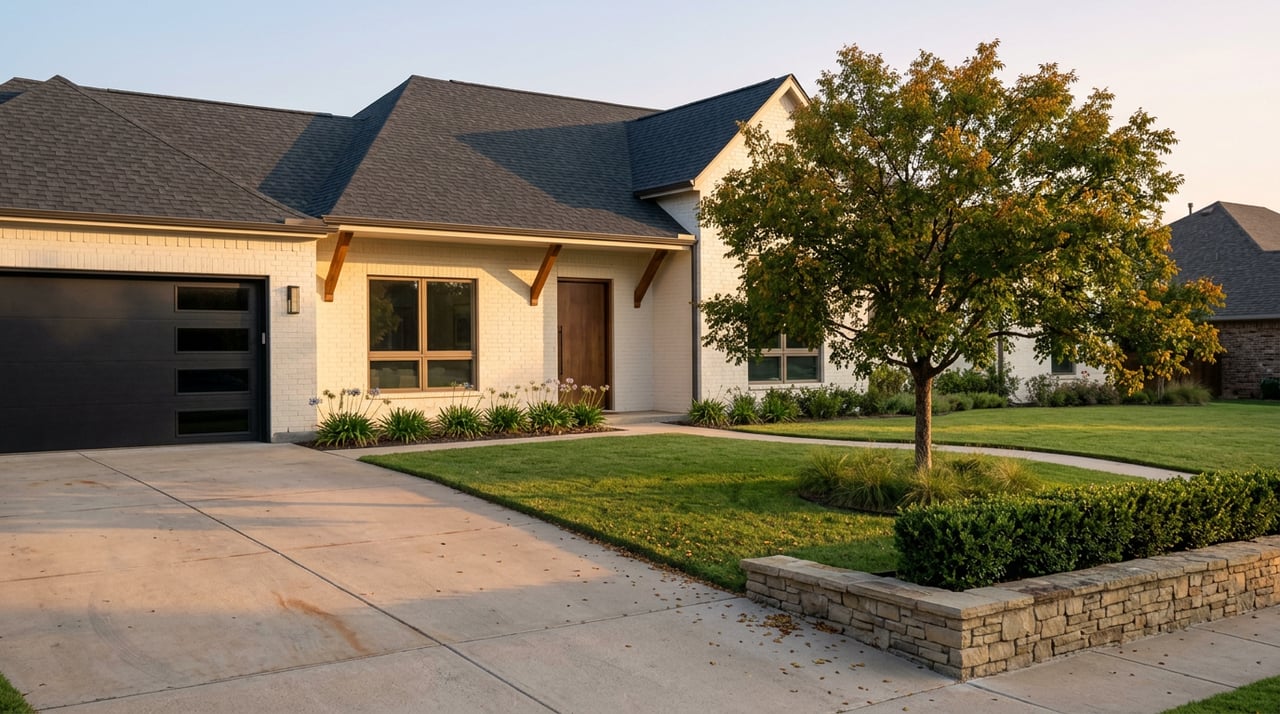
Sewer Lateral Rules in Hayward: What Buyers and Sellers Should Know
According to the East Bay PSL FAQ, if you sell a house in Oakland, Alameda, Albany, Piedmont, Emeryville, El Cerrito, Kensington, or the Richmond Annex, one piece of paperwork has to exist before escrow closes: a sewer lateral Compliance Certificate proving the pipe between your house and the street doesn't leak. Sell the identical house three miles away in Hayward, and no one asks for that certificate at all. Not the city, not the county, not any agency with the authority to hold up your closing.
That gap isn't an oversight. It's the actual rule in Hayward In a market where homes are going under contract in about two and a half weeks, that's the kind of detail worth understanding before you write an offer or accept one.
The City of Hayward publishes its own sewer maintenance guidelines, and they're blunt about where responsibility sits. The document states plainly that the city does not service lateral sewers, and that maintenance of the building sewer is the responsibility of the property owner under Section 11-3.060 of the municipal code. There's no certificate program described anywhere in that code, no point-of-sale trigger, no inspection the city requires before a deed transfers.
That's a different posture than the EBMUD-led Regional Private Sewer Lateral Ordinance, which was phased in starting in 2011 after the EPA and the state's water board ordered several East Bay cities to stop old, cracked pipes from leaking rainwater into the sanitary sewer system. In those EBMUD cities, a sale triggers the requirement automatically, along with two other triggers: a remodel over $100,000, or a change in water meter size. Berkeley runs a similar but separate program of its own. Unincorporated Castro Valley, governed by its own sanitary district rather than the city of Hayward, has a comparable rule: the Sewer Lateral Maintenance Responsibility Handbook says any residential, commercial, or industrial property changing hands within the district's boundaries needs a Sewer Lateral Compliance Certificate before the close of escrow.
Hayward sits in the middle of all that regulatory activity and simply isn't part of it.
For a seller in one of the EBMUD cities, getting that certificate means hiring a plumbing contractor to run a video survey of the lateral, obtaining any needed municipal permits, making repairs if the line fails, and then scheduling an EBMUD inspector to witness a pressure verification test. The certificate fee itself runs $150. If the work can't be finished before closing, the buyer and seller can negotiate a Time Extension Certificate, which buys six more months but requires a $4,500 deposit held until the work is done. Once issued, a certificate is good for 20 years if the lateral was fully replaced, or 7 years if it passed with only a partial repair.
None of that machinery exists on the Hayward side of the city line. A Hayward seller can list, accept an offer, and close without a plumber ever putting a camera down the lateral
The absence of a rule doesn't mean the pipes are fine. Hayward's housing stock leans heavily on postwar tract construction from the 1940s through the 1960s, an era when vitrified clay pipe and cast iron were the standard materials for building sewers. Both materials are vulnerable to two things Hayward has in abundance: mature street trees and an active fault.
Local plumbing crews who work these lines describe a fairly consistent failure pattern: pipe joints crack from age and ground shifting, moisture escapes through the crack, and tree roots follow the moisture straight into the pipe until the line blocks. The city's own maintenance handbook describes this exact mechanism. Add to that the Hayward Fault, which produces roughly a quarter inch to a full inch of lateral ground creep every year according to local plumbers who specialize in this work, and you get pipe joints under continuous, slow-motion stress that has nothing to do with how well a homeowner maintained the line.
Hayward has been addressing its own side of this problem. The city's Sewer Line Improvements Project is replacing about 4.1 miles of existing 6, 8, 10, and 12-inch pipe across 29 locations citywide, mixing traditional open-cut construction with trenchless methods like pipe bursting and cured-in-place lining. That work covers the public sewer main, the pipe the city owns and maintains. It does nothing for the private lateral running from the curb to your foundation, which stays the homeowner's problem before, during, and after a sale.
There's a small irony worth noting here too. Hayward's current sewer specifications still list vitrified clay pipe as an acceptable material for new building sewer construction, alongside PVC and lined ductile iron. The material most associated with root intrusion failures in older homes remains an approved choice for new ones.
Recent market data for Hayward points to a tight, competitive environment. Over the three months ending May 2026, homes typically sold in about 17 days, up slightly from 15 days the year before, but still fast by any measure. Inventory has stayed thin enough that buyers routinely compete for the same handful of listings.
Speed and competition push buyers toward waiving whatever contingencies they can to make an offer stand out. A sewer scope isn't legally required in Hayward, so it's one of the easiest inspections to skip under pressure, especially for a buyer who's never lived somewhere with a mandatory certificate and doesn't know to ask. That's exactly the setup where a skipped, few-hundred-dollar scope turns into a five-figure discovery six months after moving in.
A handful of concrete steps close most of this gap, whether you're buying or selling in Hayward:
It just means putting a sewer scope on the calendar early enough in the process that the results can actually inform the offer, rather than surfacing after the ink is dry.
Does Hayward require a sewer lateral certificate to sell a house? No. Unlike Oakland, Alameda, Albany, Piedmont, Emeryville, El Cerrito, Kensington, the Richmond Annex, and unincorporated Castro Valley, the City of Hayward has no point-of-sale certificate requirement. Its own sewer maintenance handbook states that the city does not service lateral sewers and places full maintenance responsibility on the property owner.
What if my address says Hayward but the property is actually in Castro Valley Sanitary District? Boundaries here follow the sanitary district, not the mailing address. If you're unsure which jurisdiction applies, ask your escrow officer or title company to confirm before you write or accept an offer.
How much does a sewer scope cost compared to a full repair? A standalone camera inspection generally costs a few hundred dollars. A full trenchless relining of a typical residential lateral runs roughly $8,000 to $15,000 in the Bay Area as of 2026, which is why catching a problem at the scope stage matters so much more in a city with no certificate requirement forcing the issue.
If you're weighing a purchase or a sale in Hayward and want to know exactly what questions to put on the table before you remove contingencies, Serean Kimmel has spent years managing exactly these details for East Bay buyers and sellers. Reach out for a free home valuation and a straight conversation about what your specific property needs before it goes under contract.
This article is general information, not legal, tax or financial advice. Consult a qualified professional about your situation.


Get assistance in determining current property value, crafting a competitive offer, writing and negotiating a contract, and much more. Contact me today.
Learn More

Serean Kimmel | CA DRE# 01770629
3329 Castro Valley Blvd Castro Valley CA 94546