Hayward Hills Or Flats? How Location Shapes Your Home Search
Wondering whether the Hayward Hills or the flats fit your lifestyle better? It is a smart question, because in Hayward, location can shape everything from the type of home you see to how you commute, how much outdoor access you have, and what kind of upkeep you should expect. If you are searching in 94542 or nearby areas, this guide will help you compare the two sides of the market so you can focus on the homes that truly match your goals. Let’s dive in.
Hayward’s planning documents make it clear that the city is not growing the same way everywhere. Hillside areas are managed to protect open space, scenic resources, and lower-profile development, while central corridors like Downtown, South Hayward BART, Cannery, and Mission Boulevard are where the city is focusing more infill and transit-oriented growth.
For you as a buyer, that means the hills-versus-flats question is more than a view preference. It often affects home style, lot shape, access to transit, neighborhood layout, and the day-to-day feel of living there.
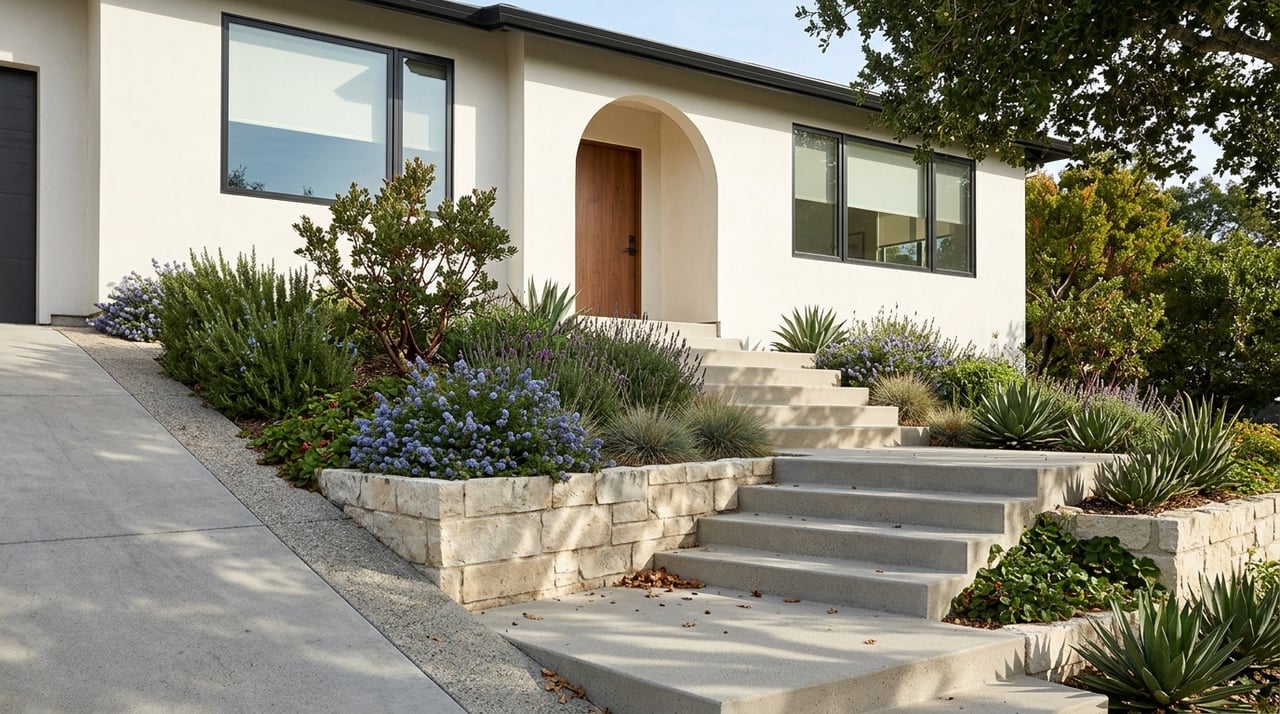
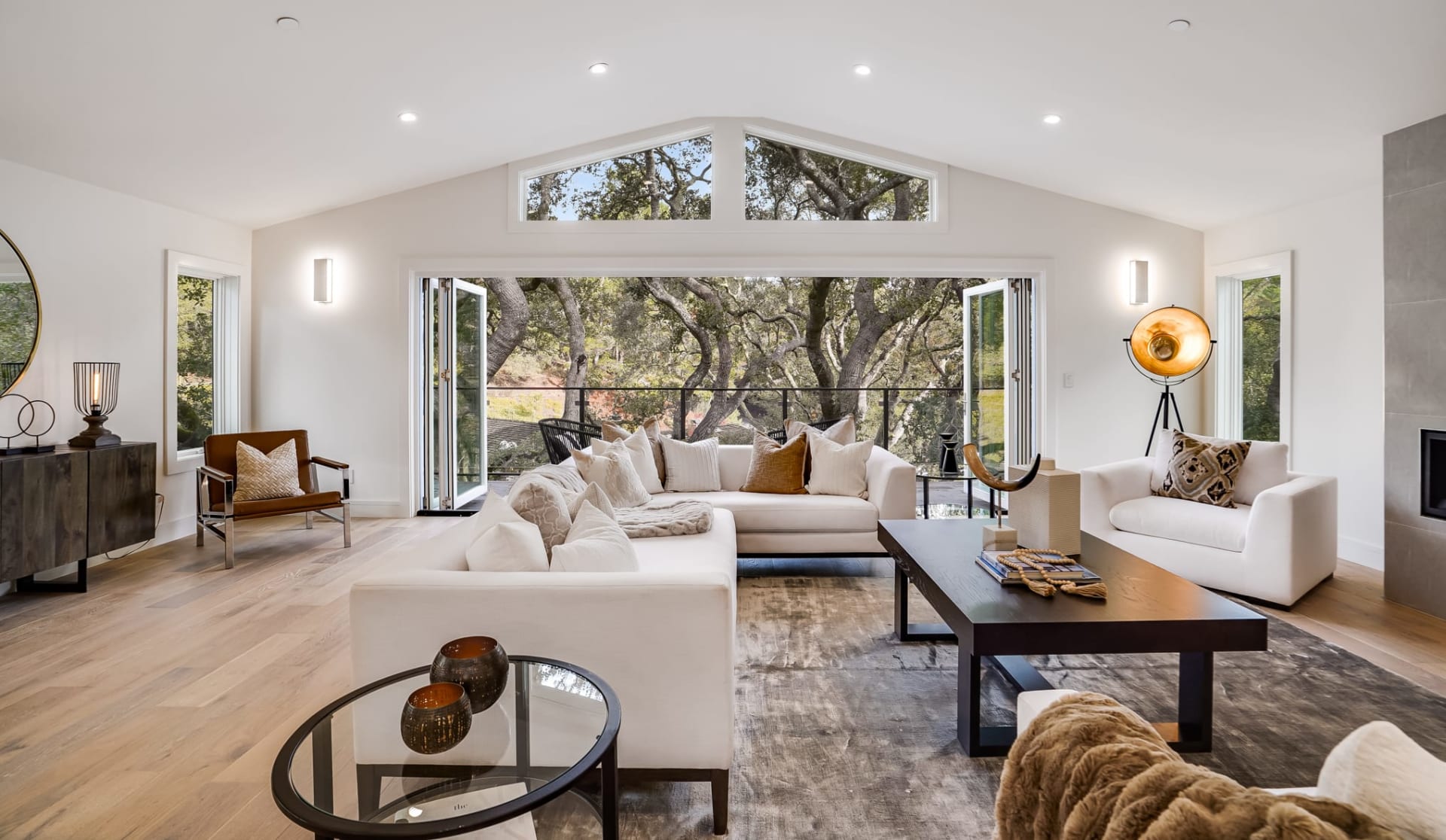
In the hills, the terrain has a big impact on how homes are designed and placed. City hillside guidelines favor curving streets, lower building profiles, clustered homes, wider frontages, and setbacks near ridgelines, along with view corridors.
That often translates into homes that feel more site-specific. Instead of a uniform grid, you are more likely to see streets and lots shaped by the slope, elevation, and natural contours of the land.
Many buyers start looking at the hills because they want more privacy, larger lots, or stronger view potential. While no two properties are the same, the city’s hillside standards do support wider setbacks and development patterns that preserve ridgeline character and views in certain areas.
That does not mean every hillside home automatically comes with sweeping vistas or a huge parcel. It does mean the land itself plays a bigger role in what you are buying, so each property deserves careful review.
If outdoor access matters to you, the hillside setting can be especially appealing. Hayward reports more than 3,000 acres of parks and open space and 20 miles of trails, and the hills offer some of the city’s broadest scenic outlooks toward the shoreline.
Garin Park is a well-known regional open space area in the Hayward Hills. The city has also planned La Vista Park as a 39-acre hillside park with Bay views from a ridge trail, which adds to the appeal for buyers who want easier access to recreation and scenery.
Central Hayward offers a broader mix of housing types. The city’s Housing Plan supports single-family homes, townhomes, apartments, condominiums, ADUs, live-work units, and mixed-use projects, with future growth expected primarily downtown, along Mission Boulevard, and on the former Route 238 corridor.
If you want more options across price points and property styles, this matters. In the flats and central corridors, you are more likely to come across smaller-lot ownership opportunities, attached homes, and homes close to services and transit.
The flats tend to win on convenience. BART describes Hayward Station as next to a pedestrian-friendly downtown with housing, shops, offices, and restaurants, and the city lists 11 free downtown parking lots and structures with a combined 1,689 spaces, along with free public Wi-Fi on the downtown B Street corridor.
For many buyers, that means a more access-driven lifestyle. If being near BART, downtown services, or major commute routes matters more to you than elevation or larger lots, the central parts of Hayward may feel like a better fit.
Historic resources are concentrated closer to the city core. The General Plan identifies Downtown Hayward, Upper B Street, the B Street Historic Streetcar District, and Prospect Hill as historic resources that should be preserved.
That helps explain why central Hayward can feel more layered and established than hillside subdivisions. Depending on the specific block, you may see older housing stock, mixed architectural styles, and a more connected street pattern.
One of the biggest differences between the hills and flats is how your daily routine works. Hayward has strong regional access through I-880, I-580, Highway 92, and Route 238/Mission Boulevard, and both Hayward and South Hayward stations connect to AC Transit.
The citywide mean travel time to work is 32.3 minutes, but your experience can vary depending on whether you prioritize freeway access, BART access, or a quieter setting farther from central corridors. That is why it helps to think beyond the house itself and picture your actual week.
BART is also part of Hayward’s long-term growth story. The city and BART have been working around station areas on transit-oriented development concepts, including mixed-use and mixed-income possibilities near Hayward Station, while South Hayward Station is also managed to support access and surrounding neighborhood compatibility.
A helpful citywide baseline comes from the Census Bureau, which reports a median owner-occupied home value in Hayward of $854,400 and a median monthly owner cost with a mortgage of $3,208. That is not a hills-versus-flats split, but it gives you a realistic starting point for planning.
From there, your budget may stretch differently depending on what you value most. A hillside property may ask you to pay more attention to lot usability, terrain, and view potential, while a central property may offer different tradeoffs tied to housing type, proximity to transit, or lot size.
No part of Hayward is risk-free, and this is where buyers should slow down and look at property details. The city’s Hazards Element identifies concerns including fault rupture, strong shaking, liquefaction, landslides, flood hazards, wildfire, airport hazards, and urban noise.
The Hayward Fault crosses the city and runs generally parallel to Mission Boulevard, so address-level review matters whether you are buying in the hills or closer to the center. Downtown housing can also come with specific noise-disclosure requirements.
The hills come with extra considerations tied to slope and wildfire planning. Hayward’s fire department notes that defensible space is especially important in the Hayward Hills and Fairview area, and local fire-hazard mapping is used to guide land-use planning and mitigation.
For you, that can mean more ongoing attention to landscaping, vegetation management, and emergency access than you might expect at first glance. A hillside property can be beautiful, but it may also ask more of you in maintenance and preparation.
One of the best tools in your search is the city’s GIS mapping system, which lets you look up an address or parcel and review layers such as zoning, land use, flood zone, fault zone, and school attendance areas. That is especially useful in Hayward, where conditions can change street by street.
Instead of assuming a whole area functions the same way, it is better to verify the exact property. This is true in both the hills and the flats, and it can help you avoid surprises later.
If your top priorities are views, privacy, larger lots, and access to open space, the hills may be the better match. If your top priorities are transit, walkability, mixed-use amenities, and a wider range of housing types, the flats and central areas may make more sense.
The good news is that Hayward gives you both within the same city. It is intentionally preserving hillside character while also adding density and services around downtown and BART, so your search can be shaped around the lifestyle you want most.
As you compare homes in 94542 and surrounding Hayward areas, focus on how you actually live. The right choice is not about which side is better in general. It is about which side fits your routine, priorities, and comfort level with the tradeoffs that come with each location.
If you want help comparing Hayward homes with a practical, local lens, Serean Kimmel offers hands-on buyer guidance across the East Bay, with clear communication and detailed support from search to close.
Get assistance in determining current property value, crafting a competitive offer, writing and negotiating a contract, and much more. Contact me today.
Learn More
Serean Kimmel | CA DRE# 01770629
3329 Castro Valley Blvd Castro Valley CA 94546