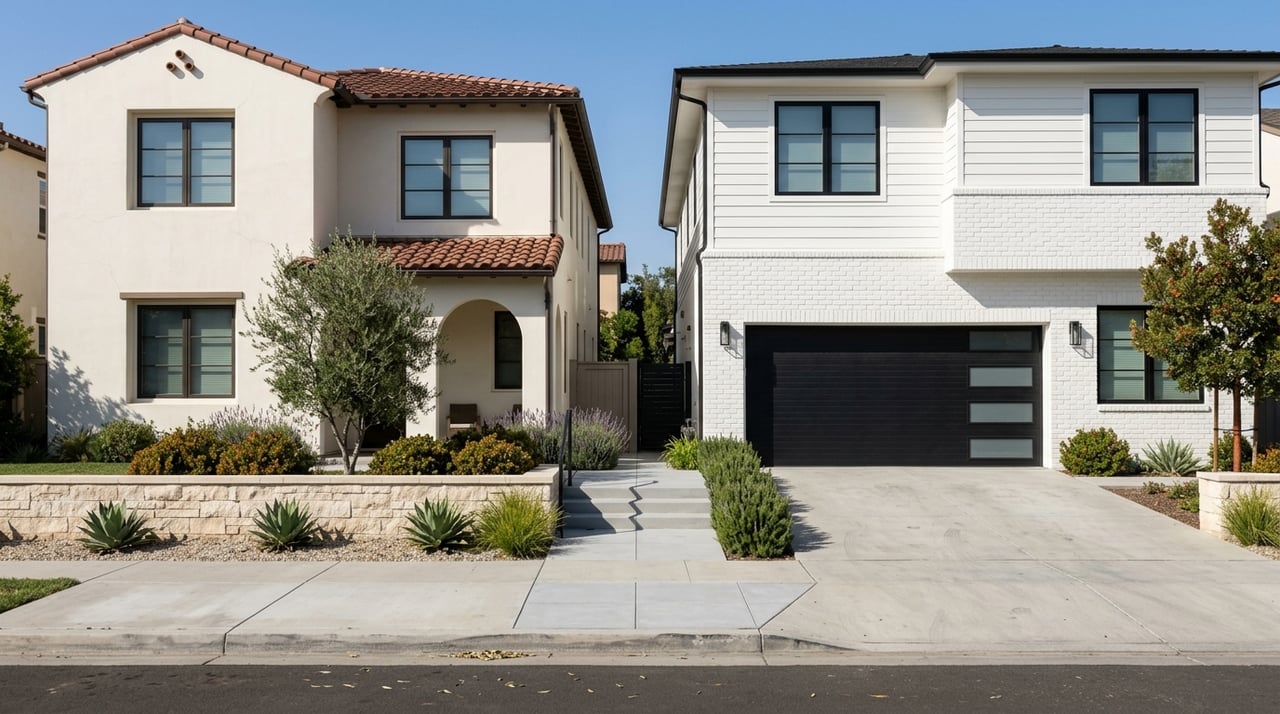
East Dublin Vs West Dublin: Housing And Lifestyle
If you are deciding between East Dublin and West Dublin, you are really choosing between two different day-to-day experiences in the same city. One side leans newer, park-focused, and growth-oriented, while the other feels more compact, transit-connected, and woven into Dublin’s older core. Understanding those differences can help you narrow your home search and choose a location that fits how you actually want to live. Let’s dive in.
East Dublin and West Dublin each offer strong housing options, but they serve different priorities.
East Dublin is centered on the Eastern Dublin Specific Plan area east of Camp Parks. The city describes this area as about 3,300 acres planned as a mixed-use community with residential, commercial, and open-space uses. In simple terms, this is the part of Dublin most closely tied to newer development and the city’s long-term growth.
West Dublin is best understood through the city’s west-core areas, including Downtown Dublin, the Village Parkway District, the Dublin Village Historic Area, and the area around the West Dublin/Pleasanton BART station. This side feels more established and more connected to downtown services, retail, and transit.
If you want newer housing, East Dublin is usually the first place to look. The Eastern Dublin Specific Plan was built for 13,950 housing units at full buildout, and the city’s housing element says about 58% of those planned new units are single-family in character, even though many are on smaller lots.
East Dublin also has the deeper future pipeline. The city’s May 2026 development report showed 16 residential units issued in Eastern Dublin in that month and an estimated 2,956 units still remaining in the plan area. That suggests you may find more new-construction or newer resale options on the east side than in the older core of the city.
A current market snapshot in the research report shows East Dublin with a median sale price of $1.36 million and a median of 25 days on market. That points to an active market, but one that is moving at a more moderate pace than West Dublin.
For buyers, that can mean slightly more breathing room when compared with a faster-moving area. For sellers, it means presentation, pricing, and preparation still matter if you want your home to stand out.
West Dublin feels different because much of it is more established and more built-out. The city is reshaping Downtown Dublin into a more pedestrian-oriented mixed-use center, and in 2024 it eliminated parking requirements in the Retail District, Transit-Oriented District, and Village Parkway District.
That policy direction matters because it supports a more urban, infill-style pattern near shopping, services, and transit. If you like the idea of living near a mixed-use core, West Dublin may line up better with your goals.
The research report shows West Dublin with a median sale price of $1.53 million and a median of just 8 days on market. Compared with East Dublin, that suggests tighter inventory and faster turnover.
For buyers, this can mean you need to be ready when the right property hits the market. For sellers, it can be a positive sign if your home is priced well and aligned with buyer expectations.
East Dublin stands out for recreation. Emerald Glen Park spans 48.2 acres and includes baseball and soccer fields, cricket, bocce, tennis, basketball, a skate park, a water play area, picnic space, restrooms, and trail access.
Fallon Sports Park adds another major recreation hub. This 61-acre city sports complex includes lighted soccer fields, baseball, cricket, tennis, basketball, softball, volleyball, playgrounds, picnic shelters, restrooms, and parking.
If your routine includes outdoor time, organized sports, or easy access to large community parks, East Dublin has a strong edge. The broader planning concept also emphasizes open-space corridors that link neighborhoods with commercial areas and higher-density zones.
East Dublin tends to feel more master-planned and more residential in layout. That can appeal to buyers who want newer neighborhoods, a more consistent streetscape, and a home base that is closely tied to parks and newer community infrastructure.
If you picture weekends at fields, playgrounds, or trails, East Dublin may feel like a natural fit.
West Dublin is more centered on errands, transit, civic uses, and a mixed-use downtown pattern. Downtown shopping areas near West Dublin BART include Dublin Place, Dublin Retail Center, Shamrock Village, and Village Parkway.
The city’s Downtown Preferred Vision focuses on a new town square and a more pedestrian-oriented downtown. That gives West Dublin a more compact feel, especially for people who want daily conveniences clustered closer together.
West Dublin also includes Dublin Heritage Park and Museums, a 10-acre park at Donlon Way and Dublin Boulevard with historic buildings, museums, a historic cemetery, and picnic areas. This gives the west side a civic and historic layer that feels different from East Dublin’s newer-planned identity.
The result is a side of town that often feels more rooted in Dublin’s older core, while still evolving through downtown improvements and transit-oriented planning.
Both sides benefit from BART access, but the station patterns are not identical. The Dublin/Pleasanton station is at Demarcus Boulevard and Iron Horse Parkway, just south of Dublin Boulevard.
The research report notes ongoing Iron Horse Trail access work to better connect the east-side station to nearby homes, businesses, and the trail. In practical terms, East Dublin can be a strong fit if you want station access tied to trail connections and a mixed-use station area.
The West Dublin/Pleasanton station is at Golden Gate Drive just south of Dublin Boulevard and straddles I-580 near Stoneridge Shopping Center. That location supports a more freeway-adjacent park-and-ride pattern.
If your routine depends on quick access to the west-core retail cluster or a station close to major highway connections, West Dublin may be more convenient. The west side also benefits from mobility upgrades such as San Ramon Road Trail improvements and buffered bike lanes on Regional Street, Amador Valley Boulevard, and Village Parkway.
Wheels Route 30R serves both BART stations as well as Dublin Boulevard, Las Positas College, the Livermore Transit Center and ACE, and Lawrence Livermore National Laboratory. That shared transit link is helpful no matter which side of Dublin you choose.
| Category | East Dublin | West Dublin |
|---|---|---|
| Overall feel | Newer, growth-oriented, recreation-focused | More established, compact, transit-oriented |
| Housing pattern | Larger planned-growth area | More built-out with infill character |
| Median sale price | $1.36M | $1.53M |
| Median days on market | 25 | 8 |
| Parks and sports | Strongest concentration of large sports parks | More civic and historic park spaces |
| Walkability feel | More subdivision-oriented | More mixed-use and pedestrian-oriented |
| Transit pattern | Strong station and trail access | Freeway-adjacent BART and retail access |
There is no one-size-fits-all winner in the East Dublin versus West Dublin conversation. The better choice depends on whether you value newer homes and major recreation amenities, or a more compact setting with faster access to downtown, transit, and west-core retail.
If you want help weighing these tradeoffs in the context of your budget, commute, and property goals, working with a local East Bay agent can make the decision much clearer. Whether you are buying your first Dublin townhome, moving into a larger single-family home, or preparing to sell, Serean Kimmel can help you compare your options with clear guidance and hands-on support.
Get assistance in determining current property value, crafting a competitive offer, writing and negotiating a contract, and much more. Contact me today.
Learn More
Serean Kimmel | CA DRE# 01770629
3329 Castro Valley Blvd Castro Valley CA 94546